| Archetype | Primary C&I Driver | “Immediate Need” Application | “Future Potential” Application | Viable Business Models |
|---|---|---|---|---|
| Grid-Stressed Growth Hubs (e.g. Vietnam, Indonesia) | Rapid industrialization with soaring demand that outstrips aging grids; high peak-tariffs and expanding manufacturing/tech loads. | Peak shaving & backup power – BESS (often paired with on-site PV) to reduce peak demand charges and supply critical loads during periodic shortages. | Grid support services – aggregating C&I BESS into demand response programs or ancillary (frequency/regulation) markets as these emerge. | Own vs Contract: Many C&I sites install/own systems (sometimes via PPAs/EaaS) to cut bills/ensure uptime. Utilities or private VPP providers may offer battery-as-a-service (BaaS) for DR or energy services. |
| Capital-Rich Transition Economies (e.g. Saudi Arabia, UAE) | Large-scale demand growth but strong grid; aggressive decarbonization (high renewable targets) drives ancillary needs; rising industrial/commercial tariffs as subsidies fall. | Load shifting & integration of renewables – BESS for time-of-use arbitrage (charging in off-peak, discharging during peak-price periods) and smoothing solar output at large C&I sites (e.g. data centres, campuses). | Advanced grid services – Participation in grid-scale ancillary markets (frequency regulation, voltage support), virtual power plant (VPP) networks, and behind-the-meter DR as market rules develop. | Project Finance / EaaS: Many projects rely on CAPEX financing or utility-led programs. Energy-as-a-Service (EaaS) and PPAs (for solar+storage) are emerging, especially for large corporates and megaprojects in industrial zones. |
| Reliability-Driven Developing Markets (e.g. Nigeria, Pakistan) | Chronic grid unreliability/outages; heavy reliance on diesel gensets; expensive fuel (diesel/gasoline) dramatically inflates C&I energy cost. | Diesel replacement & backup power – Solar+storage and microgrid systems to displace diesel use for peak hours or outages, enabling continuous power at lower cost. | Distributed energy growth – Expansion of mini-grids and C&I aggregates for rural/industrial electrification; future DR with storage in urban areas as grids stabilize; regulated tariff reforms encourage ESS. | Microgrid/EaaS: Common models include off-grid or hybrid mini-grid PPAs (e.g. build-own-operate by developers) and Energy-as-a-Service (including bundled solar+storage + grid-access). Diesel co-funding or compensation schemes may be needed. |
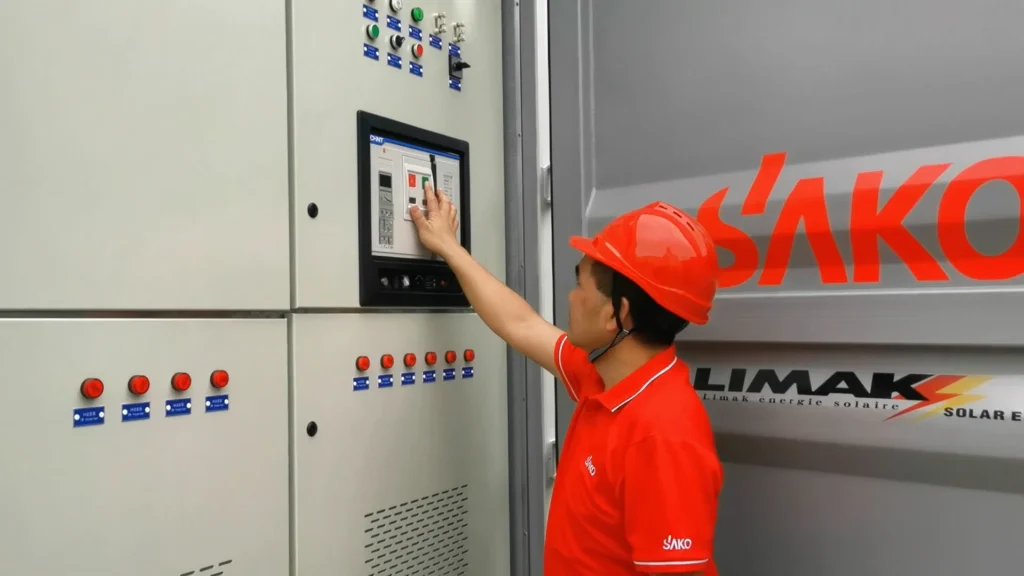
All three archetypes are seeing nascent policy support for storage. For example, Vietnam’s Ministry of Industry & Trade approved a 50 MW/50 MWh grid-scale BESS pilot to study ancillary services, while utilities run demand-response programs that have cut C&I bills by ~15%. The IEA urges Middle-East/North Africa grids to invest in energy storage to “handle rising loads” and firm increasing renewables. In practice, local standards and certifications are must-haves: large BESS projects require compliance with grid codes (e.g. Saudi’s distribution code, UAE’s ADWEA rules) and safety certifications (IEC 62619/UL 1973 for cells and UL 9540/IEC 62620 for system integration) to gain interconnection approval and insurance coverage.
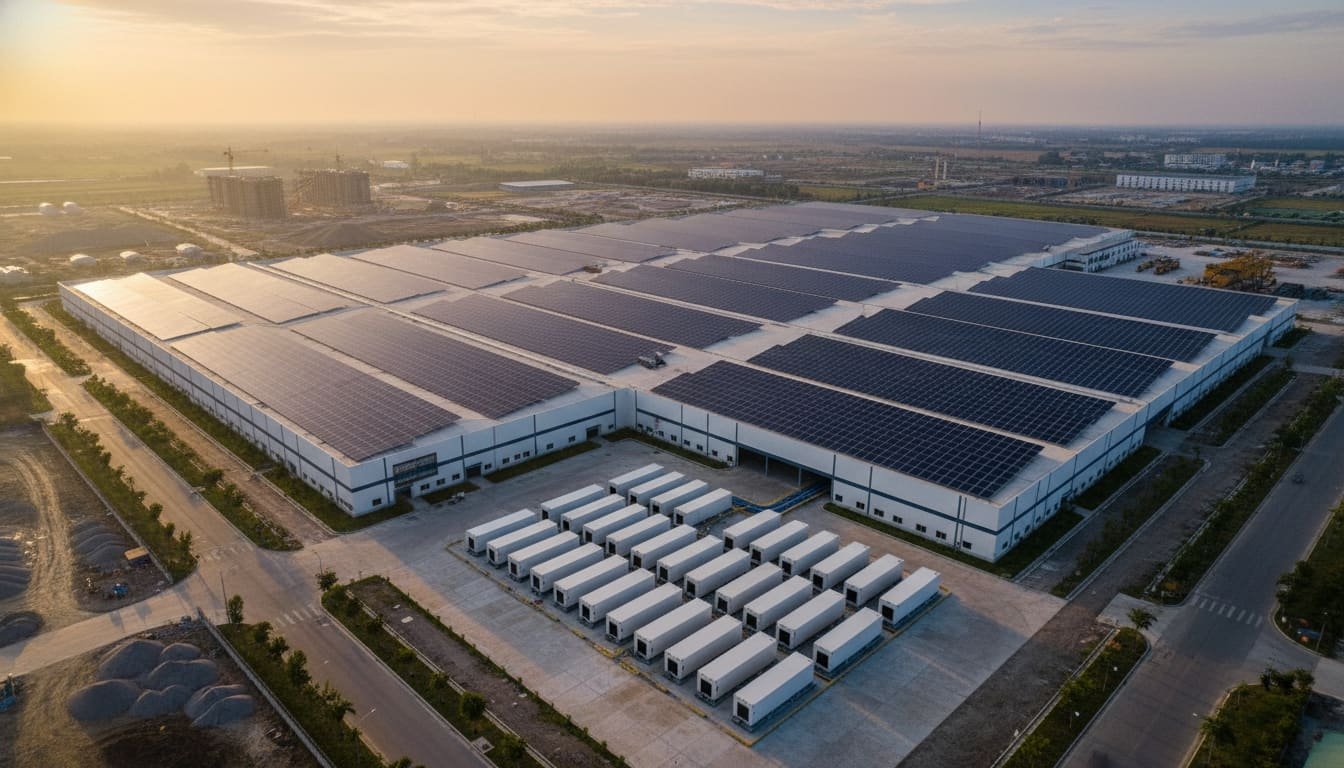
Grid-Stressed Growth Hubs (Vietnam, Indonesia)
Context & Drivers: Vietnam and Indonesia are experiencing double-digit economic growth with a parallel 7–10%/yr rise in electricity demand. However, transmission constraints and slow infrastructure upgrades mean frequent peak shortages (especially hot-season peaks) and rolling brownouts. High time-of-use tariffs and demand charges for industry incentivize load management. Governments are actively piloting storage: e.g.
, Vietnam’s EVN (state utility) is working with ADB to deploy a 50 MW/50 MWh battery for peak shaving and frequency control, acknowledging strain from rising renewables. In Indonesia, similar programs are forming as C&I customers seek reliable supply amid frequent outages.
Immediate Needs: The “day-one” value for C&I is peak shaving and backup. Batteries, usually paired with rooftop or ground-mount solar, charge during low-rate periods or solar noon and discharge at peak hours to lower demand charges and avoid expensive diesel backup. For instance, Ho Chi Minh City’s 2024 demand response program reports businesses saving 15% on bills by shifting 40 MW of load off-peak – a clear latent value for ESS. Meanwhile, many industrial zones still rely on on-site gensets; companies aim to slash generator run-time. As one installer notes in Nigeria, which has a similar reality to Indonesia, “some businesses might use the generator six hours, or even two hours per day instead of 24 hours at the moment” with solar and storage. This highlights the market’s immediate focus on diesel-fuel abatement via batteries.
Quantitative Example – Peak-Shaving ROI: Consider a Vietnamese factory on 110 kV service. The peak rate is approximately 3,300 VND per kilowatt-hour (around $0.14), while the off-peak rate is approximately 1,200 VND per kilowatt-hour (around $0.05), representing a threefold price spread. A 500 kilowatt / 2 megawatt-hour Battery Energy Storage System (BESS) installed at a cost of roughly $350 per kilowatt-hour, plus an additional 20% for the inverter, totals approximately $420,000. If discharged fully during a three-hour peak each day and recharged off-peak, the net arbitrage profit is calculated by taking the difference between the peak rate and the off-peak rate, and then multiplying this result by a round-trip efficiency factor of 0.9. This calculation yields a profit of 2,070 VND per kilowatt-hour (around $0.085 per kilowatt-hour) per cycle. At approximately 2 megawatt-hours per day, the annual benefit is about $68,500. After accounting for Operations and Maintenance (around $8,000 per year), the project yields roughly $60,000 annually. With a capital outlay of about $420,000 and a 10-year life, the annualized cost is approximately $62,000, implying a near-breakeven outcome.
Sensitivity: If the battery cost falls to $250 per kilowatt-hour, which is a near-term best-case scenario, the payback period shrinks to approximately seven to eight years. Conversely, if the tariff spread narrows (for example, if the off-peak rate rises or the peak rate falls by 50%), the annual benefit is halved to around $34,000, dropping the Return on Investment to about 7%. This underscores that viability in Vietnam hinges on large peak/off-peak differentials and low-cost storage. Importantly, stacking this with solar to reduce net charging costs or adding demand-response incentives would further boost returns.
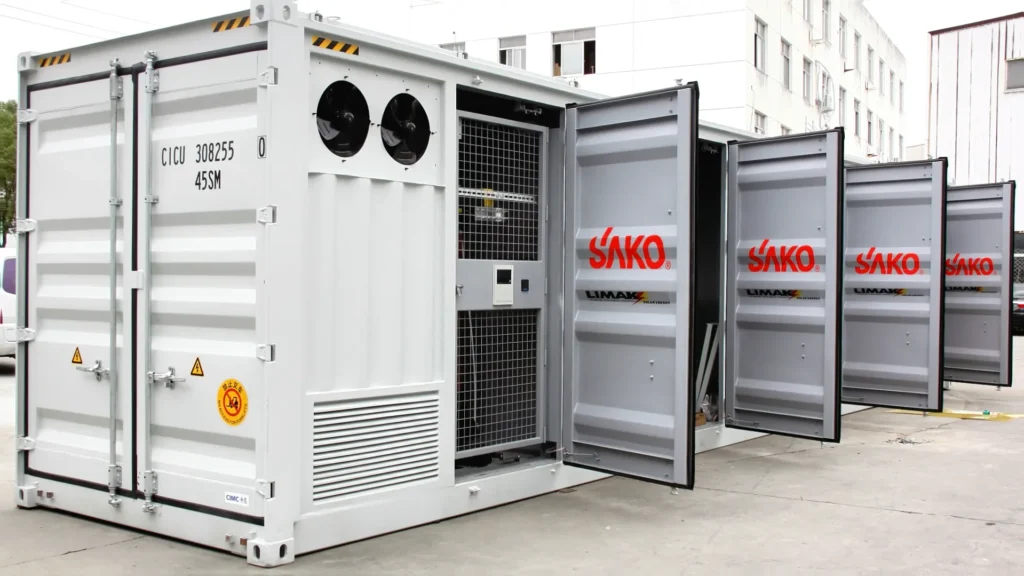
Future Potential: As grids modernize, these hubs can offer ancillary services. Vietnam’s BESS pilot expressly targets peak and frequency support. In the future, if wholesale markets or frequency contracts open up, aggregated C&I storage could earn revenue for providing fast reserve or reactive support, as seen in more mature markets.
Additionally, policy may allow commercial and industrial (C&I) storage to bid into demand response (DR) programs or net-metering schemes, turning Energy Storage Systems (ESS) into revenue-generating assets beyond self-consumption.
Capital-Rich Transition Economies (Saudi Arabia, UAE)
Context & Drivers
Gulf economies have immense capital but face surging power demand from industry, data centers, and urban growth. Simultaneously, government agendas such as Visions 2030/2050 mandate sharp renewable build-outs and subsidy reform. While the grids are relatively robust, integrating high photovoltaic (PV) generation and managing greener grids creates new needs. In parallel, electricity tariffs for semi-privatized industries are rising, with a recently introduced “intensive usage” tariff adding costs for outliers, and peak pricing regimes are under consideration. Together, these factors drive C&I customers to seek energy efficiency and flexibility via ESS.
Immediate Needs
Here, immediate use cases center on load shifting and renewables integration. For example, large commercial campuses or industrial parks install Battery Energy Storage Systems (BESS) to shift cooling or process loads from expensive on-peak hours to cheaper off-peak periods, reducing grid purchases. Similarly, firms pair batteries with on-site solar to smooth midday generation and defer grid draw during the evening ramp-up. This arbitrage is nascent but growing, as Saudi firms are accelerating the shift to PV to cut costs as subsidies wane. In some cases, backup power remains a driver, especially for data centers, but widespread outages are rare—thus the focus is on cost optimization, not just reliability.
Quantitative Example – Arbitrage ROI
Assume a large Saudi facility faces an average industrial rate of approximately $0.12 per kilowatt-hour during peak daytime hours versus about $0.07 per kilowatt-hour during off-peak periods, reflecting unsubsidized incremental pricing after reforms. A 500 kilowatt / 2 megawatt-hour BESS, with an installed cost of roughly $420,000, is charged overnight at the $0.07 rate and discharged during a three-hour peak period at the $0.12 rate. This cycle, with a 90% round-trip efficiency, nets a profit of about $0.045 per kilowatt-hour. A daily cycle yields approximately $2,000, or about $73,000 annually. After including 1% for Operations and Maintenance (around $4,000 per year), the net profit is roughly $69,000. The annualized capital cost, based on a 10-year lifespan and an 8% discount rate, is approximately $62,000, implying an Internal Rate of Return of about 7–8%.
Regarding sensitivity, raising the peak rate to $0.14 or lowering the off-peak rate to $0.05 per kilowatt-hour, which creates a wider price spread, doubles the profit to approximately $136,000 per year and increases the Internal Rate of Return to about 14%. Conversely, a higher capital expenditure for the ESS, such as $500 per kilowatt-hour, would narrow the profit margin. This simple model shows that without strong time-of-use price spreads, pure arbitrage yields modest returns under current rates in the Gulf. In practice, bundling with on-site solar, which has a zero marginal cost, or adding revenue from demand charge reduction and grid services would be needed to justify the investment. Many projects are thus structured with extended loan tenors or corporate financing to stretch the payback period, or they use Energy-as-a-Service (EaaS) models where a third party owns the asset and captures the full arbitrage.
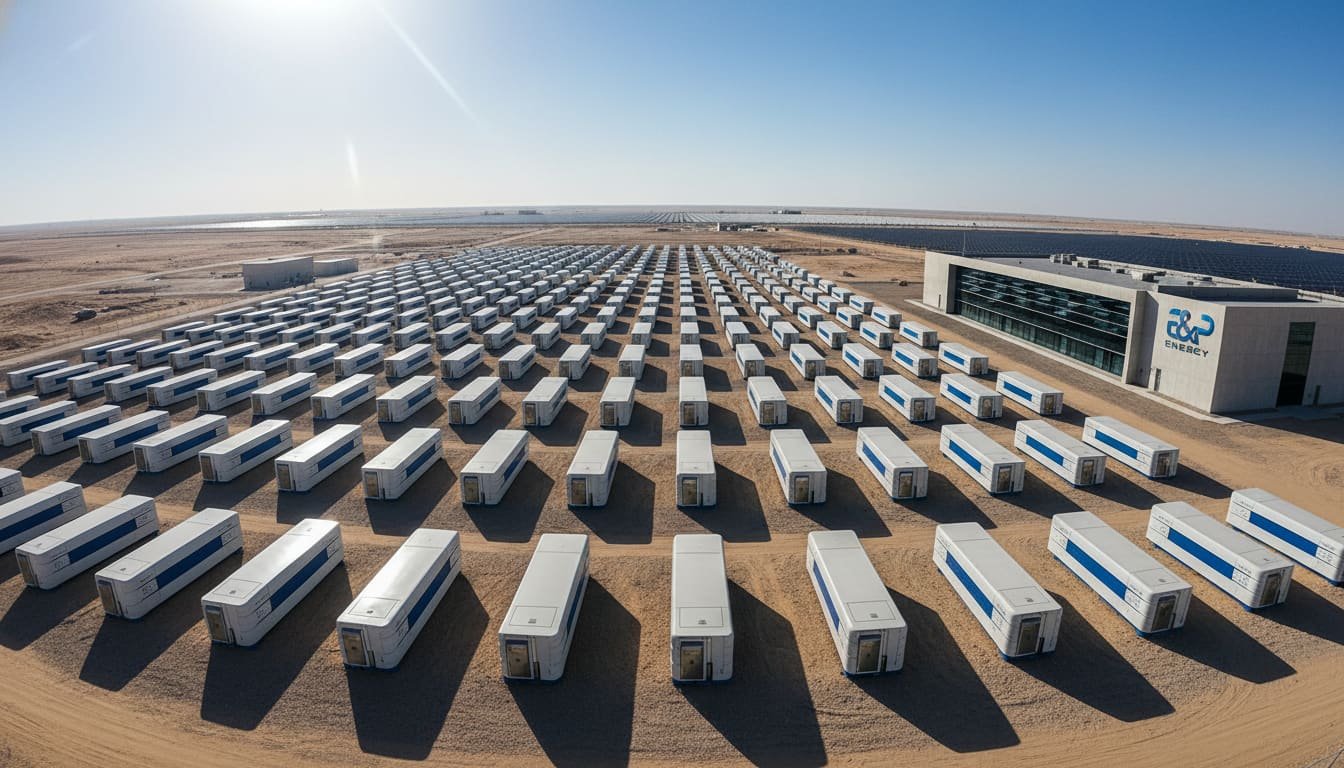
Future Potential
Gulf markets are building platforms for storage services. Saudi Arabia’s grid code and new renewable energy auctions include provisions for storage, while Abu Dhabi’s grid already incentivizes fast frequency response from BESS. Over time, C&I storage could bid into emerging ancillary markets or peer-to-peer trading platforms. Additionally, as national grids grow,
(e.g., the GCC interconnect line) and as renewable curtailment risk rises, batteries at loads can provide both commercial value and system support. For example, a battery could offer black-start capability in isolated microgrids like NEOM or participate in utility or Independent System Operator (ISO) programs if opened. Dubai’s and Abu Dhabi’s push for smart microgrids and gigawatt-scale BESS projects suggests a future ecosystem where distributed energy resource (DER) assets, including C&I storage, contribute to grid stability.
Reliability-Driven Developing Markets (Nigeria, Pakistan)
Context & Drivers
In these markets, unreliability is the norm. Frequent outages force businesses to rely on diesel generators or small Uninterruptible Power Supply (UPS) systems. In Pakistan, summer blackouts routinely last for hours, and a 2023 report warned of a “dark summer” as generator and UPS prices doubled with import curbs. In Nigeria, industrial grids often supply only about 20% of a factory’s needs; one account notes that generators run virtually 24/7, with fuel bills of 4 to 6 million Nigerian Naira per year for a typical 20 kilovolt-ampere unit. Diesel prices are high, at approximately $0.66 per liter in Nigeria and about $0.99 per liter in Pakistan as of late 2025. This makes on-site generation spectacularly expensive, often more than three times the grid cost even when it is available. The economics thus push C&I firms to seek any viable alternative.
Immediate Needs
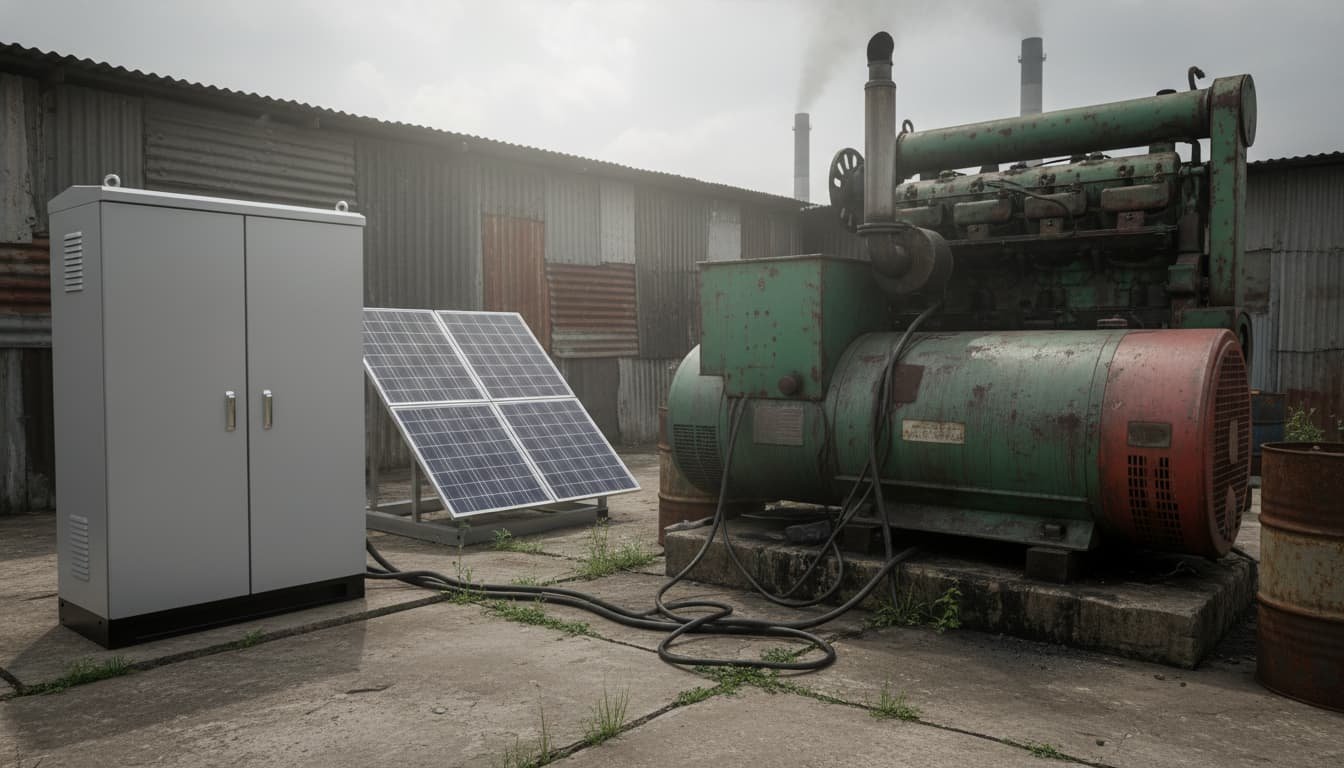
Diesel displacement is the top priority. Commercial factories, telecom towers, and even large homes are adopting solar-plus-storage microgrids or hybrid systems. Batteries serve as high-capacity UPS systems: during a grid outage, they run critical loads, and during any grid-on periods, they can supply daytime load to minimize generator runtime. For example, in Lagos, Nigeria, a proposed model pairs on-site PV and batteries with limited grid import, relegating diesel to a last-resort backup. In short, the immediate need is simply to ensure a power supply. Storage-backed solar or paid-as-you-go microgrid services can cut fuel usage dramatically. One industry initiative estimates that pilot customers might reduce generator operation from full-time to just two to six hours per day.
Quantitative Example – Diesel LCOE vs. Solar+Storage
Consider a representative Nigerian commercial load needing 100 kilowatts of power for 4 hours per day, equivalent to 146 megawatt-hours per year, in backup mode. With a diesel fuel cost of $0.66 per liter and an engine efficiency of approximately 40%, the fuel cost alone is about $0.16 per kilowatt-hour. When including maintenance and financing, assuming a generator capital expenditure of $150 per kilowatt and a 25% loan rate, the total delivered cost of power rises to approximately $1.60 to $1.70 per kilowatt-hour.
In contrast, a system combining a 1-megawatt peak solar installation with a 500-kilowatt-hour battery offers a compelling alternative. The capital expenditure for this system is estimated at approximately $250 per kilowatt for the photovoltaic panels and $300 per kilowatt-hour for the Battery Energy Storage System (BESS), totaling around $250,000. This setup can supply the same 146 megawatt-hours per year without any fuel costs. The annualized cost, calculated using an 8% discount rate over a 10-year lifespan for the battery and a 20-year lifespan for the solar panels, is approximately $40,000 per year, including operations and maintenance. This translates to a Levelized Cost of Energy (LCOE) of about $0.27 per kilowatt-hour, which dramatically undercuts the cost of diesel generation.
The simple payback period is approximately 1.3 years, based on the $250,000 capital expenditure versus an estimated $245,000 in annual diesel fuel savings. The Internal Rate of Return is significantly greater than 50%.
Sensitivity Analysis: The investment remains attractive even under less favorable conditions. If the price of diesel falls to $0.50 per liter, the payback period extends to about two years. Similarly, if the battery cost increases to $500 per kilowatt-hour, the payback period is also around two years. Should the solar yield be lower or the energy loads higher, the results would adjust linearly. In all realistic scenarios, the typical Levelized Cost of Energy for diesel, which is at or above $1.50 per kilowatt-hour, ensures that a solar-plus-storage solution is the decisively winning economic choice.
Future Potential
Once reliability is assured, emerging applications include mini-grids, rural electrification, and grid services. Nigeria is currently trialing utility-financed microgrids where commercial and industrial users pay for a hybrid supply. In Pakistan, the growing 14-gigawatt solar fleet, of which only 3 gigawatts are currently grid-connected, implies a significant future need for energy storage. Distribution-level batteries could relieve local congestion and improve power quality.
Over time, regulators may introduce tariff premiums or load-shedding contracts. For instance, businesses could be compensated for reducing their load when the grid is under stress, creating a synthetic demand response mechanism through their on-site energy storage systems. Although still nascent, these markets are ripe for innovative business models, such as a “pay for solar-plus-battery service” model, or blended finance approaches that offer lower tariffs during grid outages.
References & Methodology
This analysis draws on industry reports, news articles, and official sources. Key data points, such as tariffs, diesel prices, and information on pilot projects, are cited within the text. When constructing the financial examples, conservative assumptions were used and attributed to sources where possible.
The calculations for levelized costs and return on investment assume a 10-year battery life and a 20-year lifespan for photovoltaic systems where applicable, with discount rates of approximately 8% to 10%. Sensitivities are illustrated by varying fuel or tariff levels and capital expenditures, as noted. Industry standards, such as UL/IEC certifications and local grid code requirements, are inferred from prevailing market practices and regulatory references. The sources used in this analysis are detailed below.