Urban families in Africa and the Middle East often live in “sun-rich but power-poor” regions, relying on aging grids that suffer frequent outages. For example, a study in Lagos found grid-connected homes endure on average 28 blackouts per day, representing a 45% downtime. In this context, backup power, usually from diesel generators, is essential. However, generators are noisy, polluting, and expensive, with a 7.5 kVA genset burning approximately 1.2–1.5 liters of diesel per hour. Modern hybrid solar and storage systems can capture abundant sunlight even with unreliable grids, generating power by day and storing the excess in batteries to be dispatched after sundown or during outages. Such systems are increasingly plug-and-play and low-maintenance, transforming energy access in “sun-rich” yet fragile power markets. This report offers a homeowner-friendly Phased Adoption Journey to transition from generator backup to full resilience, and a technical installer’s guide for designing, sizing, and marketing these systems.

Part 1: The Homeowner’s Guide – The Phased Adoption Journey
This section walks homeowners through three incremental phases, starting from a basic backup setup to a fully resilient home system. At each stage, we describe the system components, expected loads, and practical tips. We also summarize the financial case, including Total Cost of Ownership (TCO), Return on Investment (ROI), and payback period, comparing solar with storage to the traditional grid and generator setup.
Phase 1: Economy & Essential Backup
Goal: Replace a noisy generator with a small, low-cost solar and battery backup system that powers critical loads such as lights, a refrigerator, and internet during outages.
- Load estimation: First, list your essential appliances and their energy use. For example, a typical small fridge might draw approximately 100–150 W continuously (about 2–4 kWh per day), LED lighting uses about 10–20 W per bulb for a few hours, a Wi-Fi router and phones need around 5–10 W, and perhaps one fan. A useful design step is to create a load table or use an online calculator to total the daily kilowatt-hours needed. The most important part of designing an off-grid or hybrid system is quantifying daily energy demand.
- Core components: A typical Phase 1 system might include 1–2 kW of photovoltaic (PV) panels and a 5–10 kWh battery, preferably Lithium Iron Phosphate (LiFePO₄), coupled with a hybrid inverter rated at 1–3 kVA. This size can sustain a fridge plus several lights and devices overnight on battery power, while solar recharges the battery during the daytime. For perspective, a typical planning target for a fully off-grid system is two days of battery autonomy. For Phase 1, you might start with approximately one day of autonomy and plan to add more later.
- Battery choice: We strongly recommend lithium-iron-phosphate (LiFePO₄) batteries. Compared to lead-acid batteries, LiFePO₄ offers higher usable capacity (nearly 100% depth-of-discharge), greater round-trip efficiency (approximately 90–98%), and light weight. In fact, a LiFePO₄ battery typically occupies only about 30% of the size and weight of an equivalent lead-acid bank. LiFePO₄ packs also do not vent hydrogen or acid during charging, so they can be safely housed in living areas without needing major ventilation. Importantly, LiFePO₄ cells have a robust cycle life (often exceeding 3,000 cycles) and include an internal Battery Management System (BMS) that cuts off charging above approximately 45°C. In contrast, even sealed lead-acid batteries degrade quickly in the heat of Africa and must be discharged deeply with care.
- Inverter: Select a hybrid (multi-mode) inverter that can draw from solar panels and charge the battery, while seamlessly switching to battery backup upon grid failure. Reliable brands in the region include Victron, Schneider, Growatt, and SMA. Hybrid inverters are typically transformer-less, combining Maximum Power Point Tracking (MPPT) solar charge control and a battery inverter-charger in one unit. These units are usually weatherproof and can be wall-mounted outdoors under eaves, but should still be shaded to avoid overheating. If your home has a grid connection, choose an inverter with grid-interactive and backup output capabilities. Top-tier models often have built-in transfer switches that can pass through grid or generator power when needed, simplifying the wiring. Importantly, size the inverter at about 1.2 times your worst-case load to allow for surge currents from motor starts and for temperature derating.
- Electrical setup: It is common to wire critical circuits, such as lights, the fridge, and key outlets, to a separate “essential load” sub-panel that the inverter powers during outages. In practice, an automatic transfer switch is installed, or the inverter’s internal transfer function is used, so that when grid power drops, the hybrid inverter instantly energizes this sub-panel from the battery or solar panels. All other circuits, like air conditioning and water heaters, remain off until the grid returns. Proper grounding, surge protection on both the DC and AC sides, and appropriately sized breakers and fuses are essential. Surge arrestors are also recommended due to thunderstorms. All installations must follow local electrical codes; if you are uncertain, hire a licensed technician for the Phase 1 setup.
- Performance: In clear weather, the PV array should supply daytime loads and top up the battery. At night or during a blackout, the battery and inverter will run the essential loads. Even a one-axis sun-tracking or optimally tilted fixed array can yield approximately 4–5 kWh per kW of panels per day in this region. If outages are just overnight, a 5–10 kWh battery suffices; if multi-day blackouts are common, consider more storage, as detailed in Phase 3. Phase 1 Example: A modest starter system might use four 250 W panels (approximately 1 kW), a 5 kWh LiFePO₄ battery, and a 2 kVA hybrid inverter with two output circuits for critical and non-critical loads. This could power about two LED lights, a small fridge (or two chest fridges on a rotating basis), and phone or PC charging. It would quickly pay off fuel costs; a 7.5 kVA diesel generator burns approximately 1.5 liters of diesel per hour. At about $1.20 per liter, that is roughly $1.80 per hour. If the solar and battery system avoids even two hours of generator use per day, the fuel savings alone (over $1,000 per year) can offset the system cost in a few years. Moreover, solar power is silent, clean, and has a near-zero marginal cost. One study found that home solar can save approximately 60–65% of the 20-year energy bill compared to diesel backup.
After Phase 1, the homeowner has reliable power for essentials and better evenings without generator noise or fumes. The system is already earning fuel savings.
Phase 2: Intelligent Optimization
Goal: Start using energy smarter. By adding load management and scheduling, you can do more with the existing system—for example, cooling or water-heating at optimal times and delaying non-critical loads until solar power is available.
- Energy Management System (EMS): In Phase 2, consider adding a simple EMS or using smart inverter features. Many hybrid inverters now include built-in load-shedding or scheduling capabilities, or can connect to external EMS hardware. For instance, systems like the SMA Sunny Home Manager or Victron Cerbo/GX can be programmed to assign load priorities and time slots. Typically, you assign a priority to each load: for example, the fridge and chargers are highest priority, lights are medium, and the washing machine or hairdryer are low priority. The EMS will then allocate the cheapest energy (solar or battery) to higher-priority loads first. If PV generation is abundant, lower-priority loads run; if PV is low, those can be temporarily turned off so that critical loads remain on. In short, it schedules appliances to match your solar generation.
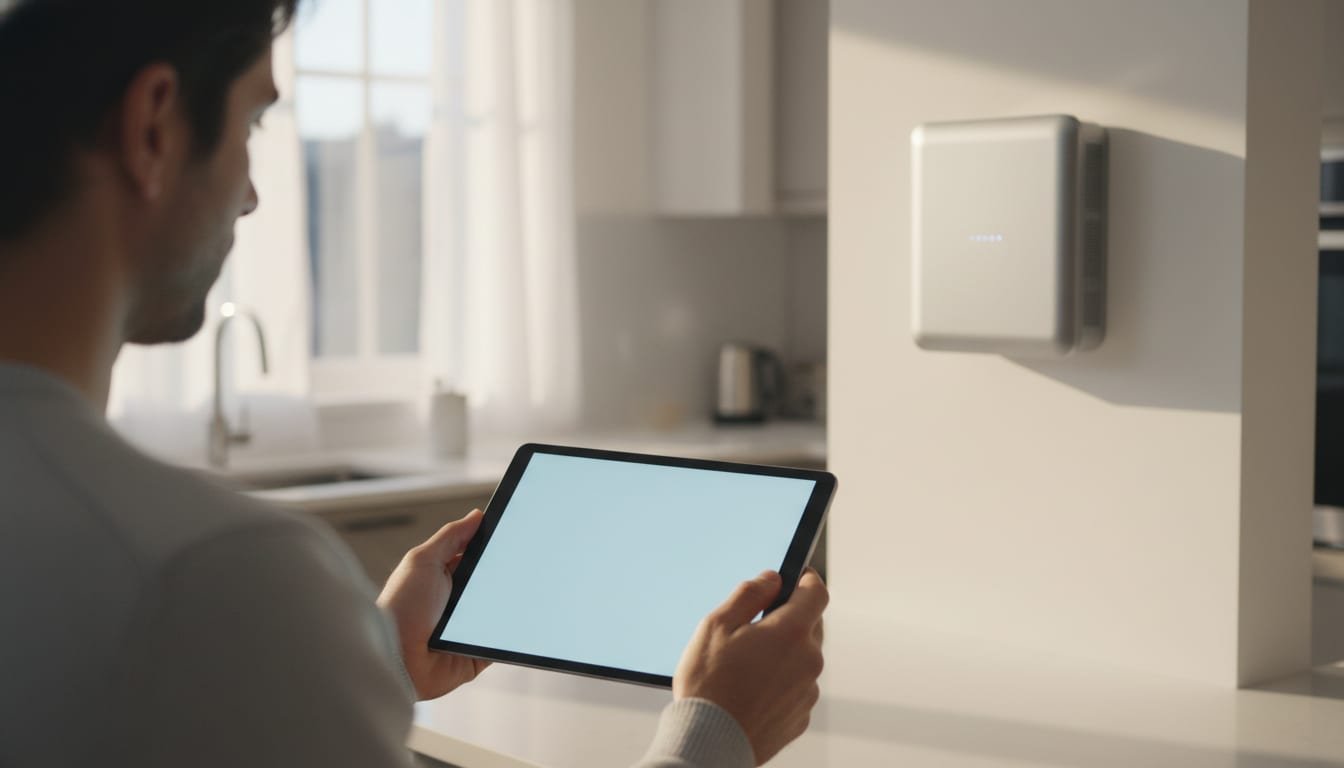
- Practical examples: A common strategy is to keep the fridge and Internet router always powered from the battery, but have the system delay running the toughest loads (fans, air conditioner, washing machine) until midday when panels produce the most power. Conversely, non-critical devices like phone chargers and lights can be set to run when solar is active. For instance, a WiFi extender might automatically switch off during the day if the internet is not needed, leaving more solar power for the fridge. Modern setups even allow smartphone control, enabling you to remotely see the battery percentage and start or stop loads via an app. Some inverters support time-of-use tariffs or grid feedback, which let you export surplus solar to the grid for credit if local net-metering exists.
- PV & battery yield: With scheduling, you maximize self-consumption of solar energy. Instead of letting solar power go unused during the daytime because loads were off, the EMS “soaks up” solar in the battery and powers loads whenever possible. Over many months, this can increase the fraction of on-site energy use and extend autonomy. Modern residential storage systems have become plug-and-play with minimal maintenance, so adding an EMS module typically involves just a few connections and some configuration.
- Safety & Comfort: Because smart control optimizes battery use, the system will more seldom run flat unexpectedly. You may also incorporate efficient appliances; for example, switching incandescent bulbs to LEDs or replacing an old fridge with an energy-star model will dramatically improve performance. Even small steps—unplugging big loads at night or drying clothes during the day—help. Encouraging behavioral shifts, such as running laundry on sunny days and closing curtains, multiplies the benefits of the Phase 1 hardware.
At the end of Phase 2, your hybrid system delivers intelligent backup: not only is the power there, but it is managed effectively. You will typically shorten generator runtime to near zero on sunny days and even get through most nights without refueling.
Phase 3: Achieving Full Resilience
Goal: Grow the system to meet comfort and longer-duration needs. In this phase, the system transitions from “backup” to supporting additional comfortable loads, aiming for multi-day autonomy and full off-grid capability if desired.
- Incremental expansion: Key to this design is modular scalability. You can add more solar panels and batteries gradually as your budget allows. A useful rule is to increase capacity in chunks, such as adding one extra 3–5 kWh battery module and additional panels each year. Typical LiFePO₄ battery modules come in sized packs of 2–4 kWh each, which can be easily connected in parallel for extra storage. For example, a 4 kWh LFP unit can be supplemented with identical units to reach 8 kWh, 12 kWh, and so on. The inverter can usually accommodate a higher battery voltage (48V is common) and more PV array current, so expansion is straightforward.
- Comfort loads: Once you have more capacity, you can include “luxury” loads like air conditioning, a washing machine, or an electric water heater. For instance, a single modern inverter-charger of 4–5 kVA can drive a small split-unit AC at night (if the battery is large enough), or run a larger refrigerator and a pump simultaneously. A typical 2-tonne air conditioner (approximately 2.5 kW) uses about 15–20 kWh per day in a hot climate; to support one for short periods, you would need to add approximately 5 kW of panels and 15–20 kWh of battery storage. Even this modest scale (e.g., 5–7 kW of PV and a 20 kWh battery) can make a home entirely self-reliant on normal days.
- Autonomy planning: For real resilience, aim for multi-day autonomy. If a storm or grid outage were to last 2–3 days, your battery should be able to cover that period. The design practice is to size for days of autonomy by multiplying the daily load by 2 or 3 and using that as the required battery capacity. For LiFePO₄ batteries, two days is often the minimum recommended autonomy, while off-grid designs in hot regions may use 3–5 days. Extra solar panel capacity ensures the batteries recharge fully, even after multi-day stretches or cloudy spells. In effect, your home becomes a small micro-grid.
- Panel considerations: In very hot, dusty climates, choose panels with a good high-temperature rating and an anti-soiling coating. Monocrystalline PERC panels (around 400 W each) with temperature coefficients around negative 0.30% per degree Celsius are common and work well. Orient rooftop arrays close to true north (in the northern hemisphere) or north-west if the roof slope is fixed, and use an angle approximately 15 degrees above the latitude to capture sun year-round.
Panels should be securely mounted and also easily accessible for cleaning, since dust, such as from Saharan or desert regions, can reduce output.
- System monitoring: Install comprehensive monitors or apps so you can see production and battery state at a glance. Many inverters or third-party logs can chart daily kilowatt-hours in and out. Seeing a battery recharge by soaking up the midday sun encourages efficient energy use.
- Financial case: With the full system in place, compare the costs. A diesel generator-based solution might supply luxury loads but at a huge fuel cost; generator-derived electricity can exceed $0.30/kWh. In contrast, the levelized cost of our solar system falls much lower as it amortizes the initial capital investment. One study calculated that over a project’s lifetime, home solar achieved about 60–65% cost savings versus continued diesel use. In practical terms, many middle-class homes find the payback period on incremental solar is 3–6 years, especially if local subsidies or financing are available. Every additional kilowatt-hour generated by the sun instead of burning fuel directly extends system life and cuts bills.
By Phase 3, the home achieves energy independence. Even if the grid is down for several days, the PV and storage system keeps lights, cooling, and appliances running. Families that switch fully off their generators not only save money but also avoid the fumes, noise, and pollution of diesel. Notably, studies emphasize the health benefits, as diesel generators emit fine particulate matter (black carbon) that can cause breathing problems. In short, the multi-phase approach lets homeowners spread the cost over time while steadily increasing their resilience.
Financial Summary
All costs should be weighed against the alternative, which includes electricity bills and fuel expenses. It is important to include device lifetimes in this calculation: batteries last approximately 10–15 years, panels 25 years or more, and inverters about 10 years. Even the strictest analysis conducted in Lagos—without subsidies—found that solar came “at no additional cost” to consumers when fuel savings and financing were applied. In practice, you will likely repay the extra capital by avoiding fuel purchases and higher tariffs. For example, if a household spends ₦50,000 (about $68) monthly on fuel, a ₦600,000 (about $800) solar and battery system could pay for itself in approximately 1.5 years from fuel avoidance alone. Exact numbers vary by location and usage, but numerous experiences show a payback period of approximately 2–5 years, with a system lifetime cost far below that of continuing to use a generator.
Part 2: The Installer’s Technical Manual
This section is aimed at solar installers and technicians. It describes detailed design guidelines, component selection, safety practices, and business strategies for selling modular hybrid systems to urban households.
System Design & Component Selection
Sizing and Design Steps
- Load Assessment: As always, begin with the customer’s load profile. Use a load table or monitoring to quantify daily energy in kilowatt-hours (kWh) and peak or surge power in kilowatts (kW) for essential loads. Include surge factors for motors, such as those in refrigerators and pumps, as backup power designs require high inrush current handling. Also, decide on the desired days of autonomy, such as two or more days of backup power. These factors determine the required battery size.
- The required battery capacity in kilowatt-hours is calculated using a specific formula. First, the daily essential load in kilowatt-hours is multiplied by the desired number of autonomy days. This result is then divided by the product of the battery’s depth-of-discharge and its round-trip efficiency.
- For LiFePO₄ batteries, assume approximately 80–90% usable depth-of-discharge and 90% round-trip efficiency. For instance, a daily load of 5 kWh requiring 2 days of autonomy would necessitate over 10 kWh of storage, making a 12–14 kWh lithium battery a suitable choice. Notably, experts advise a minimum of two-day sizing for lithium-based systems.
- Inverter selection: The inverter, or inverter-charger, must handle both the continuous and surge loads from the essential load panel. If critical loads total 2 kW, choose at least a 2.5 kW inverter, and consider de-rating its capacity in tropical heat. If the appliance mix is inductive (containing motors like an air conditioner or well pump), pick an inverter with an ample surge rating or use a larger off-grid model. High-end off-grid inverters can supply 200% of their rated power for short bursts. For equipment, popular options include Victron Multiplus/Quattro, which are scalable for paralleling; Schneider Conext XW+; or all-in-one units like the APC/Schneider XW Pro. In single-phase homes, 48-volt systems are standard, though a few select models operate at up to 60 or 96 volts.
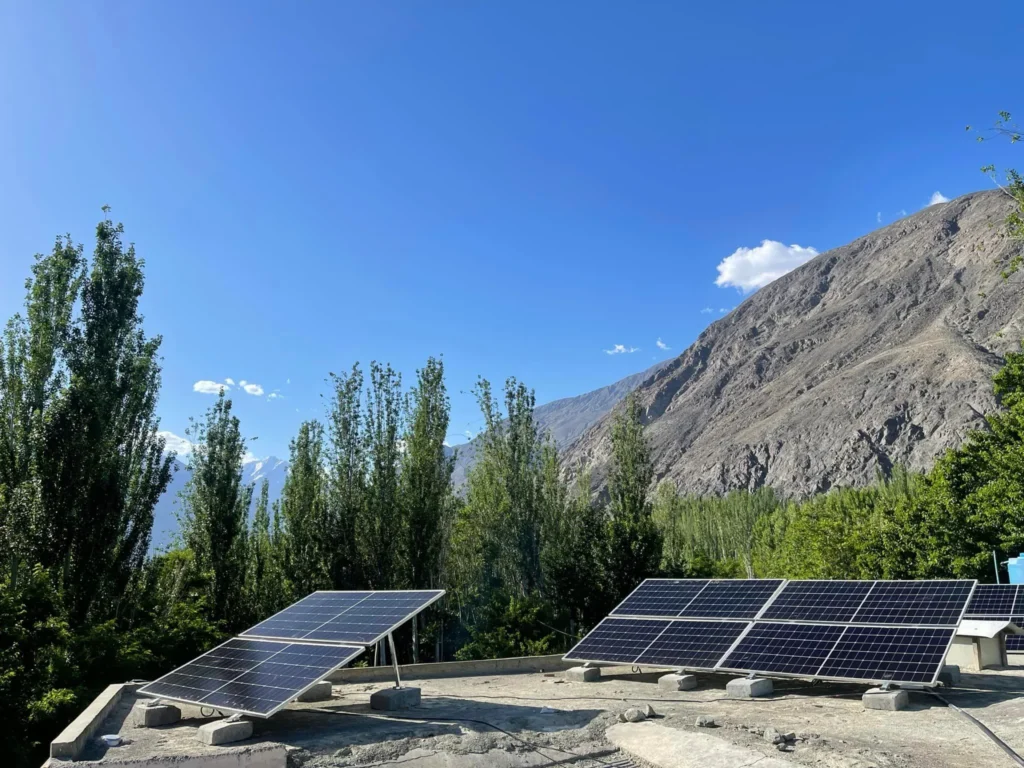
- Solar array sizing: Determine the PV array size needed to recharge the battery and supply daytime loads. As a rule of thumb, start with enough panels to meet or slightly exceed the daily load. In practice, it is wise to oversize the array so that enough energy is captured even on rainy days. For example, 1 kW of panels in Lagos might yield approximately 4–5 kWh per day; for a 10 kWh daily load, this suggests a 2–3 kW PV array. Account for system losses from the inverter, wiring, soiling, and panel orientation by adding an approximately 20–30% margin. Panel orientation and tilt should be optimized for the location; a tilt angle roughly equal to the latitude is common in desert regions. Inverters from brands like Growatt or Schneider can usually handle large PV arrays by stringing panels or using AC-coupling, but always check the manufacturer’s limits.
- Component specifications: Use Tier-1 panels designed for high-heat and UV exposure. Look for PERC or bifacial panels with certified high-temperature performance.
, such as panels with a low temperature-voltage coefficient (e.g., negative 0.35% per degree Celsius). For batteries, choose automotive-grade LiFePO₄ cells from reputable manufacturers like CATL, BYD, Pylontech, or Longi, equipped with a rugged Battery Management System (BMS). Ensure the battery room is kept cool, installing it in a shaded indoor space if possible, and provide adequate fire safety measures. Inverters and charge controllers should be rated for ambient temperatures up to 50°C, as some components may de-rate at 45°C. All electrical devices, including breakers and connectors, should comply with IEC 62446 or local equivalents. Use MC4 photovoltaic connectors and DC-rated breakers on PV strings, and use industrial-grade AC wiring.
- Enclosures and safety: Place batteries in a stable, ventilated enclosure or a dedicated battery cabinet. Although LiFePO₄ batteries do not off-gas, they should still be housed in a fire-resistant box. Provide a battery fuse or breaker on the DC bus and install an emergency disconnect. Inverters and charge controllers should have their own dedicated fuses or breakers on both the DC PV input and AC output sides. Keep DC cable runs as short as possible and use large-gauge wiring to minimize electrical losses. The entire system must be earthed (grounded) according to local electrical codes, which typically requires grounding the solar panel frames and the negative battery terminal. Include Surge Protective Devices (SPDs) on the AC output to protect sensitive electronics from lightning and on the DC input to clamp any voltage transients from the panels.
Key Component Choices
- PV Panels: Select panels with a high irradiance rating and a low temperature-voltage coefficient. For example, panels with a glass and polymer backsheet or even bifacial panels installed in open spaces can maximize output. A common practice is to use 60-cell modules (300–400 W) connected in strings with a voltage of 48–100 V. Ensure all panels come with a 10–12 year product warranty and a 25-year linear power warranty. In coastal areas, consider using panels with corrosion-resistant frames or enhanced EVA encapsulation.
- Hybrid Inverters: Two main inverter topologies exist.
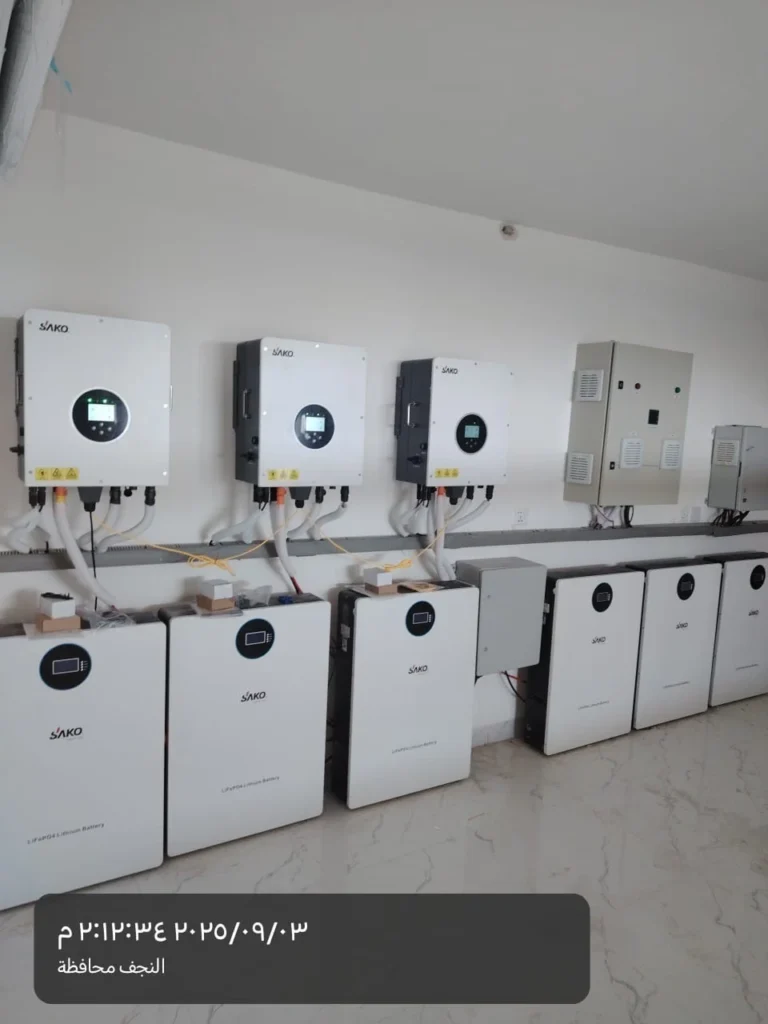
- *Transformer-based off-grid inverters*, such as those from Selectronic or SMA's Sunny Island series, are heavy and more expensive but excel at handling large power surges and inductive loads, which is useful for powering motors or air conditioners. They usually have integrated chargers for connecting generators.
- *Transformerless multi-mode inverters*, such as models from Schneider XW+, Victron, or Growatt, are lighter and more cost-effective but have a somewhat lower surge capacity. They combine MPPT solar charge regulation and a battery inverter into a single unit. These inverters are typically weatherproof and can be wall- or pole-mounted outdoors, though placing them in the shade is still recommended. Choose a model with a built-in Energy Management System (EMS) or a gateway port to enable programmable load management. Verify that the units have UL or IEC certifications for battery use, such as IEC 62109 for safety.- Battery: LiFePO₄ (Lithium Iron Phosphate) is the preferred battery chemistry. Approved brands like Pylontech, BYD, or Simpliphi offer true LiFePO₄ cells with excellent thermal stability. Key specifications to look for include a minimum cycle life of 3,000–5,000 cycles (to 80% capacity) at 80% depth-of-discharge, an operating temperature range of approximately 0–45°C, and a built-in BMS. Common module sizes are 48 V and 100–200 Ah (5–10 kWh), which are compatible with most inverters. LiFePO₄ modules are approximately three times lighter than lead-acid batteries for the same amount of energy storage. They also do not off-gas during charging, so they can be safely located indoors or in a garage with minimal ventilation. Ensure the installation includes a battery breaker or disconnector specifically rated for lithium batteries.
- Loads & Appliances: Encourage customers to use energy-efficient appliances. For example, recommending a 3-star rated AC unit instead of a 1-star model, or putting up awnings to reduce the cooling load, can make a significant difference. While outside the system itself, advising on efficient loads like low-drain refrigerators and LED bulbs will improve overall system performance.
Best Practices: Installation Standards & Safety
- Mechanical installation: Secure all PV panels with sturdy racking that is anchored to withstand strong winds. Use tilt frames or attach the racking directly to roof rafters. Angle the panels to avoid shading each other. Clearly label all DC circuits (e.g., “PV array +” and “-” to inverter). Group cables neatly, using UV-resistant conduits or cable trays on the roof. Consider theft prevention measures, such as locking nuts or security screws on mounts, or installing CCTV.
- Electrical safety: Follow local or IEC wiring best practices. All combiner boxes and junction boxes should be IP65-rated or better, with proper strain reliefs and gaskets. Install DC isolators adjacent to the arrays and the inverter for safe maintenance. AC wiring should use copper conductors sized for less than a 3% voltage drop over the longest run. Use RCD/GFCI protection on 230 V AC circuits near water sources. Keep wiring segregated by running PV DC wires away from AC mains to reduce interference. Color-code all conductors (e.g., red and black for DC, brown and blue for AC). Document and label all circuitry for future servicing.
- Heat management: Inverters and batteries should be installed in shaded, well-ventilated areas. Even transformerless inverters generate heat and require sufficient air convection, so do not install them in an enclosed cupboard. Lead-acid batteries require active cooling to avoid capacity loss, whereas LiFePO₄ batteries perform better in a 0–40°C range. However, all batteries degrade faster at temperatures above approximately 40°C. If equipment is installed outdoors, consider using AC units or vents for cooling.
- Quality of Components: Use only certified components. Inverters and batteries should have official certifications (e.g., CE, UL) and visible data plates. Solar cables and connectors must be UV-resistant and rated for outdoor use. Purchase solar modules from known suppliers to avoid counterfeit products that underperform and may fail prematurely. Ideally, source components from local distributors who can handle warranty claims.
- Load-Shedding Configuration: When wiring the backup sub-panel, ensure the inverter’s transfer switch (whether automatic or manual) completely isolates it from the utility grid. If the hybrid inverter does not support true islanding during an outage, use an automatic transfer relay. The goal is to prevent feedback to the grid for safety and to supply power only to essential circuits from the inverter. A clever option is to use a priority inverter; some models can route surplus generator or grid power to loads via the inverter even while charging the batteries. If the customer retains a generator, ensure the inverter has an AC input and an auto-start feature. This allows the generator to kick in automatically and recharge the battery if the solar and battery power is exhausted, which is critical for reliability during prolonged outages.
- Standards Compliance: Wherever possible, align with national electrical codes or IEC standards. For example, IEC 60364-7-712 covers PV installations, and UL 1741 or IEC 62109 covers inverter safety. Use surge protection devices on both DC (Type 2 SPD at PV combiner) and AC sides (Type 2 SPD at main distribution board). Ground-fault protection on the DC side for array issues should be considered, especially for systems with earthed panels or arrays with a voltage greater than 600 V.
By following these best practices, the installation will be safe, reliable, and low-maintenance. Document the design, including single-line diagrams and component specifications, for handover. Teach the homeowner basic inspection procedures, such as panel cleaning, checking battery water (only if flooded), and checking for error lights.
Business Model: Supply Chain, Education, and Phased Offerings
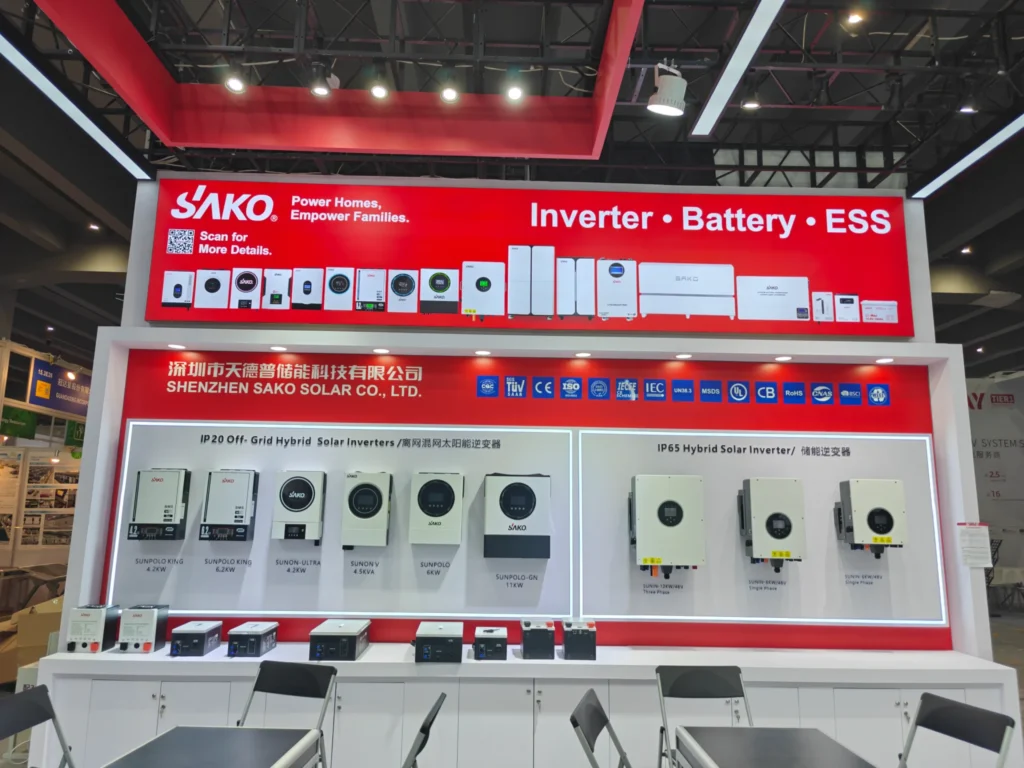
- Modular Packages: Offer the system as core modules plus upgrades. For instance, sell a “Basic Backup Kit” containing 1 kW of solar panels, a 5 kWh battery, a 2 kVA inverter, and a basic EMS. Then, upsell “Add-On Packs” such as an additional 500 W of panels, an extra 3.5 kWh battery every 12 months, or AC unit integration. This modular pricing allows customers with tight budgets to start small and expand over time. Industry experience shows this approach is effective; for example, Solaris Offgrid found that customers appreciated the ability to upgrade their solar capacity in steps. They now use modular controllers and batteries to provide flexibility. Emphasize to clients that the system is scalable – allowing them to start with the essentials and build up to full autonomy.
- Customer Financing: The biggest barrier to adoption is the upfront cost. Encourage financing or Pay-As-You-Go (PAYG) models. If possible, partner with microfinance institutions or promote “solar loans.” Research indicates that fuel savings alone can reimburse the investment over a few years. Show customers sample calculations; for example: “Your current generator costs ₦50,000 per month in fuel; a ₦600,000 system pays for itself in 2–3 years.” Offer staged payment plans or rent-to-own options. Some companies bundle the cost into electricity bills as a “solar-as-a-service” model. If local banks have green loan products, connect clients to them. Mention any available government incentives or net-metering policies. In short, frame the system not as an expense but as an investment that often costs the same or less than continuing to use diesel.
- Education & Trust: Train customers on the system’s use and benefits. Demonstrate its performance upfront by showing how quickly it powers the lights during a simulated outage or by displaying the live battery gauge. Point out the environmental benefits (no fumes, no carbon monoxide, no black carbon) and comfort improvements (no more generator noise overnight). Use data to support your claims; for example, cite studies showing that solar can cut lifetime energy costs by approximately 60% or reduce daily outage hours by over 80%. Encourage customers to track their generator runtime before and after installation to see the savings for themselves. Satisfied word-of-mouth is key in building community trust.
- Supply Chain Management: Build relationships with reliable solar suppliers. Maintain an inventory of key components like inverters, batteries, and cables to avoid project delays. Source from regional distributors in locations such as California, Dubai, or South Africa to ensure warranty support. Consider assembling kits locally, such as pre-wiring combiner boxes, to save labor time on-site. Keep samples of LED lamps or efficient appliances to cross-sell.
- Training & Certification: Ensure your technicians are properly trained and certified. This builds credibility and reduces call-backs. Participate in any available local accreditation programs for stand-alone solar system installers. Also, train staff on customer handling, as many homeowners are wary of faulty installations or scams. A clear demonstration and a simple guarantee, such as one year of free maintenance, can build confidence.
- Costing Strategy: Price each phase transparently. For example, a homeowner might pay a specific amount for the Phase 1 kit and another for the upgrade kit. Offer discounts on future upgrades if they purchase from you. Provide clear quotes that show the capital investment versus projected fuel savings. You can also create a cost model for maintenance, including filter changes for any backup generator or service calls.
- After-Sales Support: Offer maintenance packages or a quick response service for faults. Hybrid systems are still new to many markets, so reassure customers that you will support the system long-term. Keep spare parts, such as fuses and small inverters, in stock or partner with cross-certified service providers in other cities.
- Community Engagement: Partnerships with neighborhood associations, churches, mosques, or housing cooperatives can generate bulk business. Demonstration projects, such as powering a community center with a hybrid solar system, help sell the concept. Educate the community through workshops or flyers on “generator savings” and climate benefits.
- Regulatory & Grid: Stay informed on any changing policies. In some regions, utilities now allow the feed-in of small amounts of excess solar power. Advise clients on net-metering if it exists, or on load management if it does not. Be prepared for any requirements, such as certificates or inspections, that local authorities might impose for grid-parallel systems.
By positioning your services as solution-driven—modular, financed, and supported—you can open the market to middle-class customers who might otherwise only buy generators. Emphasize reliability and total-cost savings. Use success stories to persuade potential clients, for instance, “In Lagos, we replaced diesel at no extra cost, and customers love not having to buy fuel.” In this way, installers become not just vendors, but energy partners for their clients, building urban resilience one rooftop at a time.