In the Middle East and Africa (MEA), there is no one-size-fits-all answer to whether home battery storage is “worth it.” The value of a home battery depends entirely on the customer’s situation and needs. To make an informed decision, installers should consider three distinct market prototypes: (1) Unstable Grid-Tied markets (e.g. South Africa, Nigeria) where power outages and load-shedding are frequent, (2) Fully Off-Grid rural markets (e.g. remote East African villages) with no grid at all, and (3) High-Income Grid-Tied markets (e.g. GCC countries) with stable grids but high electricity prices. This guide uses these prototypes as a decision framework, helping system integrators select the right battery technology, size, and configuration for each scenario. By understanding how each market prototype imposes different requirements on battery specs, sizing criteria, and PV integration strategies, installers can choose the right system for each client’s goals.
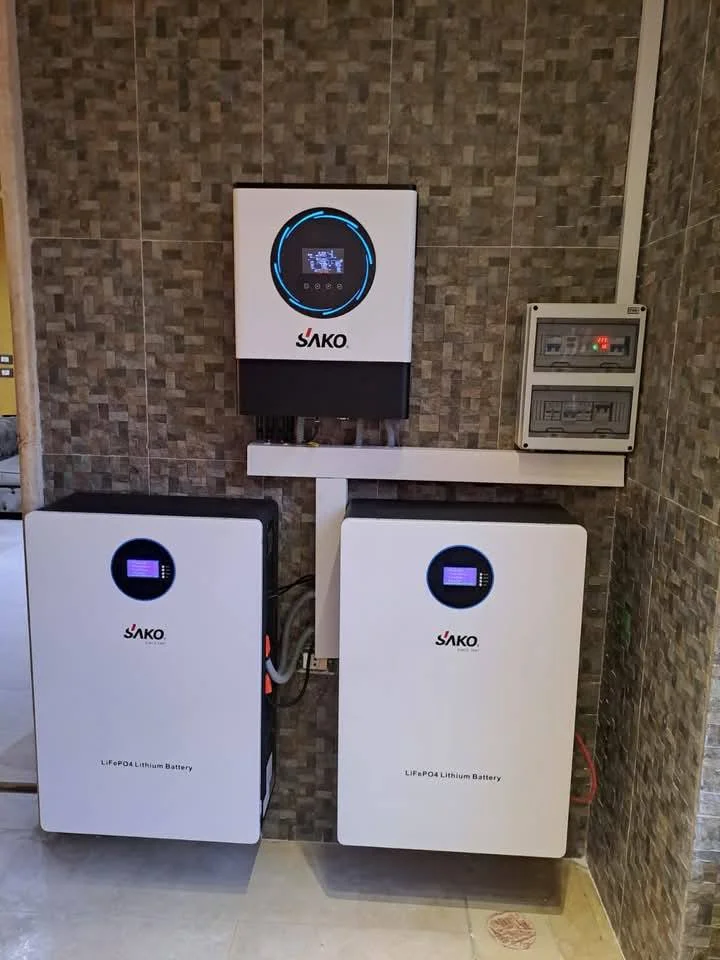
The MEA Home Storage Decision Matrix
| Market Prototype | Primary Goal | Critical Battery Specs (and Why) | System Sizing Priority | PV Integration Strategy |
|---|---|---|---|---|
| Unstable Grid-Tied (Resilience) – e.g. S. Africa, Nigeria | Backup power and resilience during frequent outages. | High C-rate & power rating: To supply large startup currents and heavy loads instantly. Moderate cycle life: Fewer cycles if outages are sporadic. Depth-of-Discharge (DoD) ~50–80%: Enough for backup events. | Power (kW) over energy (kWh): Size to cover the worst-case load spikes and starting currents (e.g. pumps, compressors). Energy capacity sized for short bridge backup. | Hybrid grid-tie with UPS mode: When grid is up, charge battery from PV or grid; when grid fails, an inverter (meeting grid code) instantaneously supplies critical loads. The battery “bridges” outages so PV can continue supplying loads or charging the battery smoothly. |
| Fully Off-Grid Autonomy – e.g. rural East Africa | Maximum reliability and multi-day autonomy (no grid). | High cycle life at deep DoD: Battery must endure daily cycling, often 100% DoD, so chemistries like LFP (LiFePO₄) with thousands of cycles are preferred. High DoD tolerance: To use most of the capacity each day. Robust construction: Cells/modules suited for harsh environments. | Energy Capacity (kWh) over power: Size to meet daytime + nighttime loads and number of autonomy days (e.g. 2–3 days without sun). Includes solar generation to fully recharge battery daily. | PV-First Hybrid: PV panels sized large (relative to load) to recharge batteries quickly. Battery acts as main energy buffer, ensuring continuous power. Off-grid inverters/charge controllers manage PV charging and supply all loads. The system may include a genset; battery sizing ensures the genset runs less often, increasing reliability. |
| High-Income Grid-Tied – e.g. GCC countries | Maximize economic benefit (self-consumption, bill savings). | Moderate C-rate: Typical residential loads, no extreme spikes relative to capacity. High capacity: Enough to store daytime solar for evening use. Good cycle life: Regular cycling but shallower DoD (e.g. 50–80%). Safety and certification: UL 9540 certification and UL 9540A cell-level tests (no thermal runaway) are strong selling points in homes. | Balance between energy and power: Sized to capture surplus PV (kWh/day) and meet evening loads (kW). Focus on kWh to shift load, with enough kW for peak demands. | Smart self-consumption management: The BMS and energy management system charge battery with excess midday PV and discharge in peak tariff periods. If net metering is limited, the goal is to “store it or lose it.” The battery in this scenario optimizes PV integration by load-shifting rather than backup. Safety-certified batteries and inverters (per local regulations) provide confidence for expensive homes. |
Table: Comparison of home battery storage approaches for three MEA market types. Each prototype has different goals (resilience, autonomy, or economics), which dictate the key technical specs, sizing strategy, and PV-integration approach. Installers should use these as guidelines to match a client’s scenario.
Sizing for Unstable Grids (Resilience Focus)
In countries with unreliable grids (e.g. South Africa or Nigeria), battery storage systems are primarily about resilience, not energy arbitrage. The battery and inverter must act like a UPS, riding through power cuts seamlessly. Key Spec: a high C-rate (high discharge rate) is critical so the battery can supply large instantaneous power to motors and compressors during an outage. High-power battery cells (often LFP or similar) and an inverter with very fast transfer times are needed. Inverters should comply with grid-interconnection standards (e.g. IEEE 1547-2018 for DERs), which require ride-through and anti-islanding behavior, effectively letting the inverter form a mini-grid automatically when the utility grid drops out. A fast-switching, grid-forming inverter is essential.
Whereas cycle life is less of a priority (the battery might only cycle occasionally during outages), power capacity (kW) is paramount. System sizing must start with a load assessment: identify the worst-case simultaneous demand (e.g. fridges, well pumps, A/C). The battery inverter combo must handle startup surges. Thus the first dimension is inverter and battery power rating (to cover peak short-term loads), then sufficient energy (kWh) to last through typical outage durations (often a few hours). For example, if a home has a 5 kW peak load but outages are short, a 10 kW battery/inverter with 10 kWh capacity might be chosen. During sunny hours, the PV array can supply loads and charge batteries at the same time. But when the grid fails, the system should island immediately. An inverter that meets IEEE 1547 (DER interconnection standard) or local grid codes ensures it can switch modes without tripping offline.
In effect, the PV panels and battery together “bridge” the outage: PV continues to run on the inverter’s microgrid output (charging the battery or serving loads), and the battery kicks in fully once the sun sets or demand spikes. This approach optimizes PV integration in unstable-grid homes by enabling self-consumption while keeping essential loads online whenever the grid is down.
In summary, unstable-grid deployments require batteries and inverters capable of high power (so high C-rate and short-circuit current) and very fast switching. System sizing is determined by the load profile, prioritizing power (kW) and enough energy (kWh) to ride out typical outages. For example, if loads surge at startup, the battery must support a discharge rate of 2C or higher. Ratings in device datasheets, such as IEEE compliance, confirm these capabilities.
Sizing for Off-Grid Autonomy (Reliability Focus)
Fully off-grid homes, such as those in remote East African villages, need reliability above all. Every day the battery will cycle to cover loads, so cycle life and Depth-of-Discharge (DoD) are non-negotiable. Lithium iron phosphate (LiFePO₄, or LFP) chemistry is often chosen because its stable olivine structure allows for thousands of deep cycles with minimal capacity loss. For example, U.S. Department of Energy data shows LFP cells can deliver on the order of 4,800 cycles at 100% DoD and 6,000 cycles at 80% DoD—far more than other chemistries. Thus, LFP batteries with an 80–90% DoD rating provide maximal usable capacity and longevity.
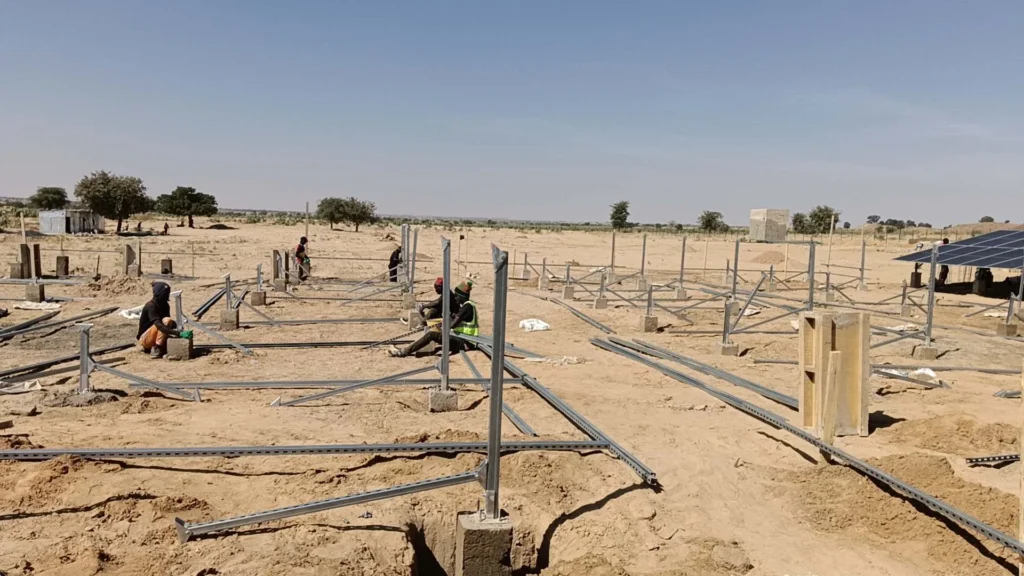
Off-grid systems typically follow standards like IEC 61427-1:2013, which specifies requirements for batteries used in photovoltaic off-grid applications. This means batteries must be tested for deep-cycle use, confirming their durability for repeated full discharge and charge cycles.
Sizing in this scenario is driven by energy (kWh), not short-term power. Installers must calculate the household’s daily and multi-day energy needs for loads like lighting, fans, and radios, and then design for a reserve to cover days with low sunlight. For example, to provide three days of autonomy, the battery’s energy capacity might be three times the average daily usage. If a home uses 5 kWh per day, a 15 kWh battery (with 90% DoD) plus enough PV capacity to recharge it is a typical design. The inverter power (kW) is sized to match normal loads, which are often modest, but oversizing energy capacity is more critical for handling extended outages or periods of low sunlight.
PV integration in off-grid cases is usually DC-coupled, where the PV charge controller feeds the batteries during the day, and the inverter draws power directly from that battery.
A robust charge controller (MPPT) and inverter handle the energy flow; the battery is essentially the system’s fuel tank. With no grid, the battery must handle 100% of nighttime loads. Smart energy management, such as load shedding on extended cloudy days, can further improve reliability. In short, this prototype requires a high-cycle-life battery and sufficient kWh to meet days of autonomy.
Sizing for High-Income Markets (Economic Focus)
In wealthy, grid-connected markets like the Gulf countries, the primary goal is cutting energy bills and maximizing self-consumption, since the grid is usually reliable. Homes often install PV and battery to offset high electricity tariffs. The critical specs shift: capacity (kWh) and overall efficiency matter more than instantaneous power. Typical residential loads, such as lighting, air conditioning, and appliances, do not demand extreme startup currents, so batteries with a moderate C-rate (1C or less) are acceptable.
Cycle life remains important for daily cycling, but because these systems usually discharge only to 50–80% DoD and have grid backup, chemistries like LFP or even high-quality NMC may be used for cost reasons. However, safety certification becomes a key selling point. Batteries certified to UL 9540 (Energy Storage Systems) signal to consumers and inspectors that the unit passes stringent cell-level and system-level fire-safety tests. UL 9540A tests ensure that cells cannot be forced into thermal runaway or produce flammable gases under abuse, which is a major advantage for residential sales pitches.
Here, sizing prioritizes capturing daytime solar to use in evening peaks. Installers calculate the customer’s load profile (day vs. night) and PV production. The battery kWh is set to store most of the midday surplus for later use. For example, if a home has a 10 kW PV system generating 40 kWh of excess energy in a day, a 20–30 kWh battery might be chosen so that little to no solar output is wasted. The inverter power rating just needs to match the home’s peak load, often 5–10 kW, since the goal is not riding through outages but shifting loads.
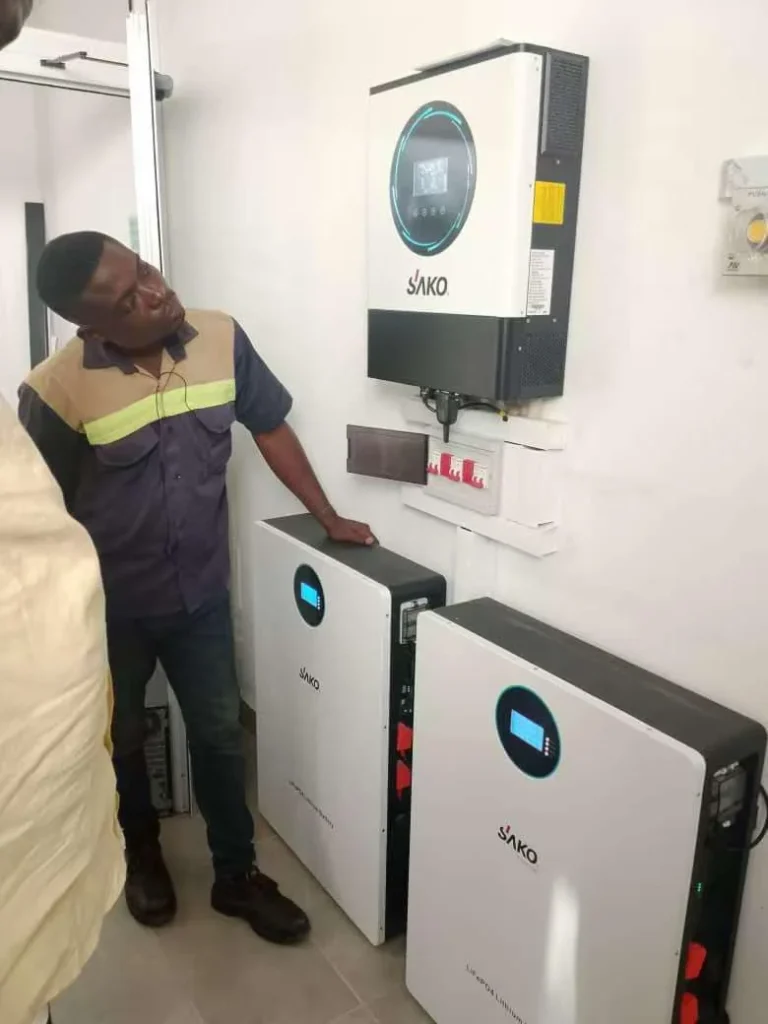
Smart energy management from the Battery Management System (BMS) and Energy Management System (EMS) is crucial. The system should automatically charge when solar is available or when tariffs are low (if time-of-use rates apply) and discharge when tariffs spike in the evening. In this prototype, the battery optimizes PV integration by increasing self-consumption; rather than exporting to the grid at low feed-in rates, the system stores the energy. Compliance with regulatory standards like IEEE 1547 or local grid codes is assumed for grid-tied operation, and the battery’s UL 9540 certification provides an additional layer of safety assurance.
In summary, the high-income scenario requires batteries sized to the house’s daily energy surplus and with proven safety. The C-rate can be lower, around 0.5–1C, as the focus is on maximizing energy capacity (kWh) at a reasonable cost with a BMS that intelligently performs load-shifting. A key selling point for customers is that UL 9540-certified units meet the latest safety standards, ensuring peace of mind.
Conclusion: A 5-Point Checklist for MEA Installers
When consulting with a client, use this quick checklist to determine the right home storage solution:
- What’s the primary problem to solve? Is the goal resilience to grid outages, full autonomy (no grid), or reducing high electricity bills? This identifies our prototype: unstable-grid, off-grid, or high-income grid.
- Which loads are critical? List the essential appliances such as the fridge, lights, pump, and AC, and note their power draws. This determines how much power (kW) the inverter and battery must handle.
- What is the energy profile? Estimate daily energy use and solar generation. How many hours of autonomy are needed? This sets the required energy capacity (kWh), whether for multi-day backup or daily shifting.
- How many cycles and what Depth of Discharge (DoD)? Will the system cycle daily or only during rare outages? For daily cycling (high-income or off-grid), aim for chemistries with a long cycle life, like LFP. For occasional use (unstable-grid), the priority is on power and fast response. Ensure the battery specification for discharge cycles at the target DoD meets the usage pattern.
- What standards must the system meet? Check local grid codes (e.g., IEEE 1547 compliance for inverters on-grid), safety standards (UL 9540/UL 9540A for residential batteries), and environmental conditions (high temperatures, etc.). Confirm the chosen inverter and battery are certified for the application.
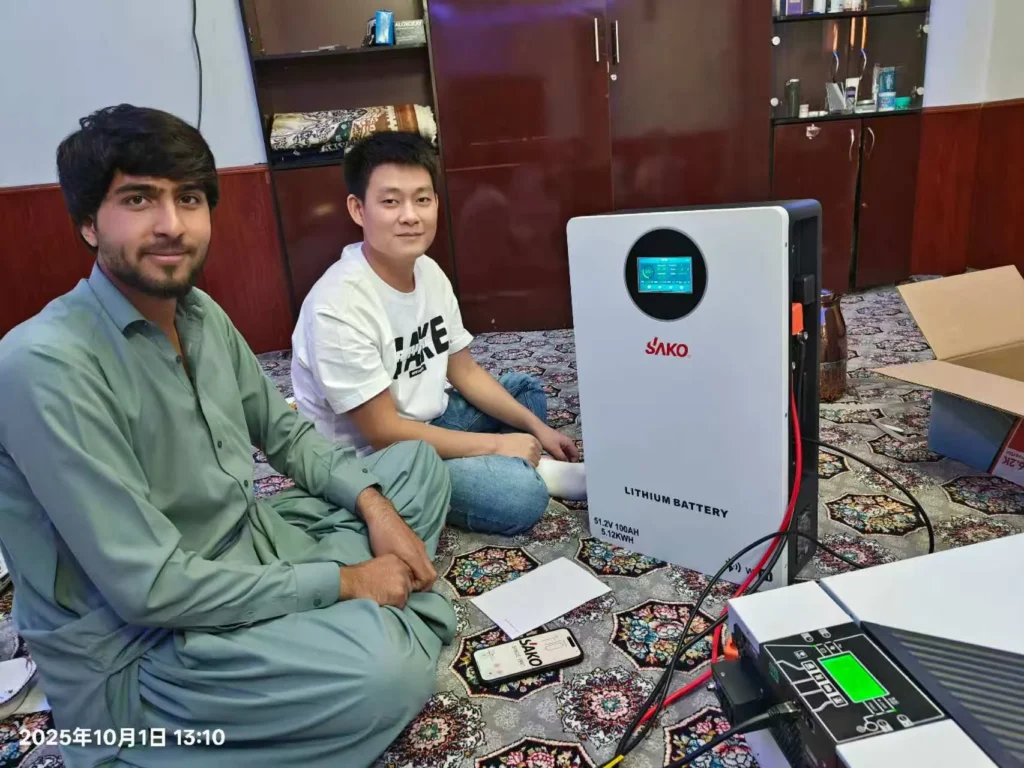
This checklist helps installers ensure they “solve the right problem” with the right technology. By clarifying the scenario, loads, capacity requirements, and compliance needs, an installer can configure a battery and PV system that truly adds value for the customer.