Module 1: Executive Briefing Deck
Market Archetypes
We examined three primary segments: High-Income Gulf (UAE/KSA), Commercially Mature Africa (e.g., South Africa, Kenya), and Off-Grid/Weak-Grid Africa. Each has distinct channel structures and risks. The Gulf markets feature affluent customers with advanced grid and PV industries, while mature African markets have growing distributed solar sectors and formalized import channels. Off-grid Africa relies on decentralized sales, such as PAYG solar kits and mini-grids, and faces challenging logistics. Southeast Asian markets, like Vietnam and the Philippines, exhibit moderate-income growth with archipelagic distribution hurdles.
SWOT Analysis by Archetype
| Archetype | Strengths | Weaknesses | Opportunities | Threats |
|---|---|---|---|---|
| High-Income Gulf (GCC) | Wealthy consumers; high solar adoption; reliable infrastructure. | Low energy prices from subsidies (e.g., UAE <$0.08/kWh) limit the economic appeal of batteries. Tight regulations (SASO/SABER) and existing big players. | Strong government renewables push (Vision 2030); net-metering incentives; high rooftop PV uptake. | Intense regional competition; complex certification (e.g., SASO RoHS, SABER); political and regional instability risk. |
| Commercial Africa | Growing electricity demand and unreliable grids; large installer base where OTC importers dominate sales; improving policy support. | Consumers have limited purchasing power; fragmented markets; currency fluctuation. | Rapid solar market growth (60% jump in PV imports); mobile money and PAYG credit models (e.g., Bboxx/CreditChek) expand financing options. | Infrastructure gaps; inconsistent regulation across countries; high logistics and financing costs. |
| Off-grid Africa | Huge unmet demand in rural areas; NGO and donor backing for electrification. | Very low incomes; remote locations; high distribution and maintenance costs. | New mini-grid projects; renewable diesel alternatives (e.g., solar+generator); aggressive microfinance and PAYG uptake (M-Kopa, Azuri). | Political risks; competition from cheap diesel; challenging after-sales support (warranty) in very remote areas. |
Entry-Mode Decision Matrix
The best market-entry approach depends on control needs, cost, and speed. Below we compare three modes—Master Distributor (MD), Joint Venture (JV), and Direct-to-Installer—on key criteria:
| Entry Mode | Market Control | Investment Required | Speed to Market | Compliance Burden | Fit / Notes |
|---|---|---|---|---|---|
| Master Distributor | Moderate (20-50%) | Low–Medium (capital for inventory only) | High | Medium | Leverages local network with lower capital outlay. Good for rapid reach but lower margin per unit. Best where an experienced local distributor is available. |
| Joint Venture (JV) | High (ownership/share) | High (setting up entity, CapEx) | Medium | High | Combines local expertise with company control. High investment but full alignment and shared risk. Ideal if a partner brings market access and we can invest long-term. |
| Direct-to-Installer | Low (installers sell independently) | High (own salesforce, logistics) | Slow | High | Maximum control of brand and technology but slow to build a network. High CapEx and risk. Best in small or niche markets with few intermediaries. |
Assessment
For GCC, a Master Distributor or regional reseller is often advantageous due to low capital expenditure and quick entry via established channels, though margins are thin because of duties and subsidies. In established African markets, a Joint Venture or partnership with a local solar integrator affords credibility and market know-how. In off-grid or weak-grid segments, a Direct approach or a hybrid model via NGOs/PAYG firms ensures local trust but requires substantial investment in financing and logistics.
Module 2: Comprehensive Market Analysis
2.1 Channel Partner Ecosystems
- High-Income GCC (UAE/KSA): Sales are typically conducted through a small number of specialist distributors and integrators. Major international energy equipment firms often appoint Master Distributors to handle logistics and certification. The downstream network includes licensed solar installers and high-end retailers. Many projects are driven by government or large commercial contracts, favoring turnkey integrators. Branding relies on certifications (IEC/UL) and demonstrable IP-grade performance.
- Mature Africa (South Africa, Kenya): The market is highly decentralized. Imported RESS usually arrive via coastal ports and are sold over the counter to a plethora of small importers and installers. These local players resell batteries alongside panels and inverters in established solar shops. OTC trade is the single most important segment of the solar sector in Africa.
Entrepreneurs and SMEs supply diverse customers. There also exist larger project developers selling to commercial and industrial clients. Distribution often piggybacks on existing solar component networks; some global brands use regional partners. - Off-Grid/Aid-Driven Africa: For rural off-grid communities, RESS is often bundled into PICO-PV or minigrid solutions. Sales channels include NGOs, UN agencies, or Pay-As-You-Go (PAYG) energy companies that combine microfinancing with product sales. These firms frequently import battery kits and manage both distribution and financing in-house. Last-mile delivery may involve local agents or village entrepreneurs. The ecosystem extends to telecom companies and microcredit institutions partnering with suppliers.
- Comparative SEA Note: Southeast Asia exhibits a mixed model. Urban and island markets often use licensed solar installers and electrical contractors as sales channels. There is some retail presence. Government-led initiatives like net-metering programs drive interest. Off-grid islands rely on mini-grid vendors and solar home system companies similar to Africa’s model.
| Channel Variable | GCC (UAE/KSA) | Commercial Africa (ZA, Kenya) | Off-Grid Africa | SEA (VN, PH) |
|---|---|---|---|---|
| Primary Partners | Master Distributors, EPC contractors | Small importers/distributors, certified installers | PAYG energy firms, NGOs, microfinance partners | Solar developers, electrical contractors |
| Typical Margins | Distributor ~10–15%; Installers ~20–30% | Importer/distributor ~15–25%; Installers ~25–40% | Vendors incorporate financing margin; effective cost is high | Similar to Africa (20–30%) |
| Network Structure | Few large distributors; formal dealership networks | Many small outlets, informal retailers, cooperatives | Direct-to-consumer via mobile services; some dealers | Regional distributors and retailers |
| Role of Integrators | High – turnkey solutions for large residential PV and storage | Moderate – primarily for commercial projects; residential via installers | High – e.g., mini-grid operators install and manage systems | Mixed – utilities and independent installers |
| Certification Reliance | Emphasis on accredited certifications (IEC/UL and local) | Increasing – NRCS certificate often needed, but informal market persists | Variable – NGOs may accept batch-tested units; local standards are weaker | Net-metering approval requires certified gear |
2.2 Regulatory & Customs Landscape
- High-Income GCC: This region has stringent import controls and product testing. In Saudi Arabia, SASO mandates RoHS compliance and SABER pre-certification for batteries; the UAE follows ECAS (Emirates Conformity Assessment Scheme) rules. All lithium batteries are classified as dangerous goods, requiring UN38.3 test reports for customs. Imports must include Safety Data Sheets and origin documents. Tariffs are small (e.g., UAE ~5% duty) plus VAT (e.g., 5% in UAE, 15% in KSA). In practice, KSA and the UAE impose general duties on electronics and a value-added tax.
For example, brand-name residential batteries often see an import duty of approximately 5%.
- Commercial Africa: Regulations vary by country but often involve bureaus of standards. In South Africa, there is no special battery tariff; importers pay regular customs duties plus a 15% VAT. However, products must meet South African National Standards (SANS) and be cleared by the NRCS/SABS. An NRCS-issued Certificate of Compliance and an import permit are mandatory. In Kenya, batteries under HS code 8507.60 generally attract high duty (often 25%) and VAT (approximately 16%), unless covered by tax incentives. Importers must obtain a KEBS Standardization Mark (S-Mark) for electronics. Documentation includes UN safety certificates, and Kenya allows an AfCFTA Certificate of Origin (COO) under the EAC for reduced tariffs. Similar burdens exist in Nigeria (SONCAP certification) and Ghana (GhEP Act), though enforcement is uneven.
- Off-Grid/Weak-Grid Africa: Most rural sales bypass heavy regulation, often treated as consumer electronics, but any formal shipment must still pass national standards bodies. Micro-enterprises may exploit informal routes, but larger NGOs adhere to import rules, sometimes receiving VAT exemptions under development programs. In many countries, used or open-box batteries face legal ambiguities, slowing recycling and regulation.
- SEA (Vietnam/Philippines): Vietnam requires Ministry of Industry (MoIT) registration for electric equipment; products often need a Quacontrol or CR Certificate of Conformity. The Philippines mandates DOE registration for grid-tied storage and local Department of Trade (DTI) certification. Both countries impose import duties (approximately 0–10%) plus VAT. Government programmes, such as Vietnam’s Feed-in Tariffs and the Philippines’ net metering, incentivize battery-backed PV. However, the absence of robust storage standards means most manufacturers rely on IEC and UL1973 compliance for credibility.
| Regulatory Factor | GCC (UAE/KSA) | South Africa/Kenya | Off-grid Africa |
|---|---|---|---|
| Product Standards | International (IEC 62619, UL) plus local (SASO/SABS). | IEC plus local SANS/SABS/NRCS. | Same as above, but enforcement is looser; NGOs may use IEC only. |
| Certification Platforms | SABER (KSA), ECAS (UAE); Proof of testing (UN38.3). | NRCS/SABS certificates required for each batch (SA); KEBS S-Mark (Kenya). | Typically, the national importer handles paperwork; there are few local test labs. |
| Import Tax | Approximately 5% duty plus VAT (5–15%). | South Africa: no battery-specific tariff, only general duties and 15% VAT. Kenya: approximately 20–25% duty plus 16% VAT. | Varies widely. Often similar duties as commercial imports; off-grid projects may get tax relief. |
| Customs Clearance | Complex; requires complete documentation (SDS, CoO, test reports). | Similar documentation required; delays are common if certificates are incomplete. | Same documentation needs; high risk of delays in remote ports. |
| Trust/Validation | High emphasis on lab testing (TÜV, Intertek) as trust anchors. | NRCS/SABS stamping needed; IEC/UL certification is valued by buyers. | Independently-certified units (IEC) are preferred by NGOs to assure donors. |
2.3 Last-Mile Logistics & After-Sales
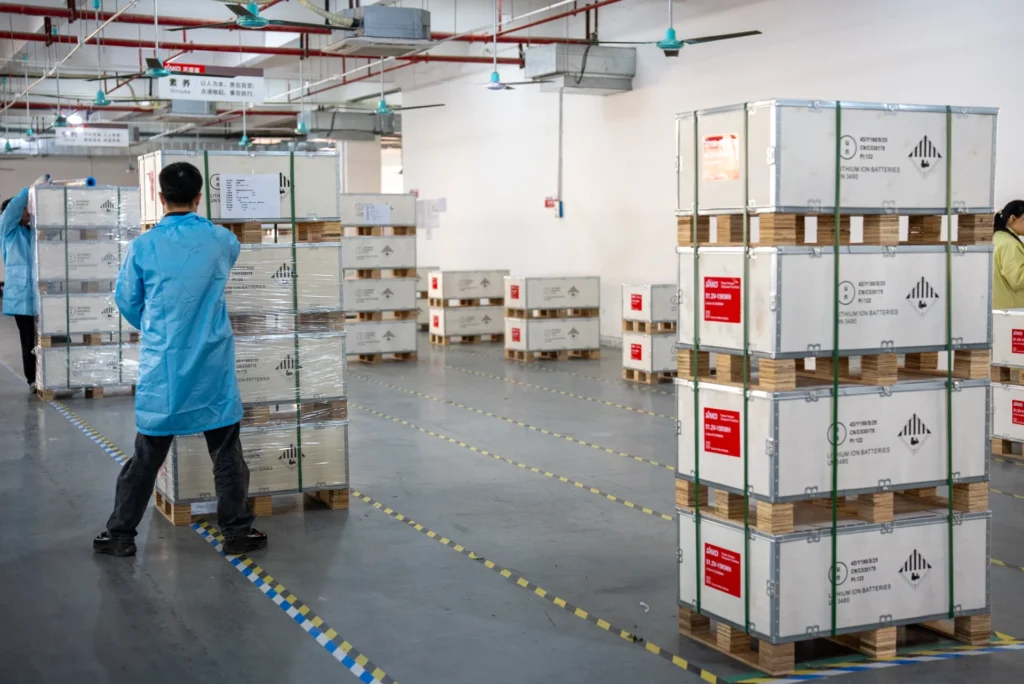
- High-Income GCC: World-class infrastructure eases distribution. Major logistics hubs like Jebel Ali and Jeddah enable fast delivery. Battery shipments follow standard out-of-gauge and dangerous goods protocols. Onward distribution is often managed by the master distributor using bonded warehouses. The last mile is supported by warranty centers and authorized service partners in major cities. Consumers expect strong brands and official after-sales support, such as installer networks with 24/7 helplines. Recycling regulations, like GDREBRA in the UAE for e-waste, require end-of-life collection via municipal programs.
- Commercial Africa: Logistics networks are adequate in urban centers but poor in rural areas. Importers in Kenya, South Africa, and other countries rely on nationwide trucking networks; however, fragmentation raises costs. Many RESS are shipped from ports to city warehouses. Last-mile service is often informally handled by installers or manufacturers’ local agents. For after-sales, few manufacturers have their own service centers; instead, they contract local solar companies for installation and maintenance. Warranty claims can be protracted due to distance and duties. There is little formal recycling infrastructure, though urban collection points exist for lead-acid batteries; lithium recycling facilities are virtually absent in Africa.
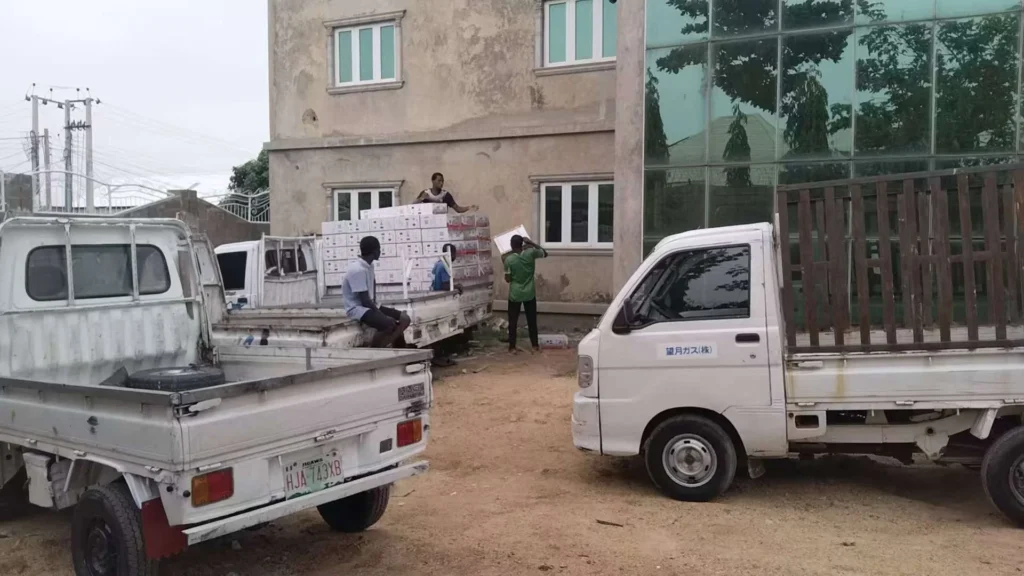
- Off-Grid/Weak-Grid Africa: This is an extremely challenging environment. Battery kits are frequently hand-carried or shipped via long tribal routes. In archipelagos or landlocked areas, this can entail multi-leg transport involving trucks, boats, and bicycles. After-sales support is often peer-to-peer, where local tech-savvy users help their neighbors. Official support is minimal unless NGOs install dedicated kiosks. The fragility of remote operations means many systems fall into disrepair over time. Some projects circumvent this via remote monitoring, such as solar lantern providers including GSM modules.
- SEA Context: Distribution is often hampered by geography, such as the Philippine islands. Logistics costs can be 10-20% higher than on continents. After-sales networks are mixed—developed in cities but sparse in rural areas. Local players sometimes import DIY kits, leading to customer-reported issues due to improper installation.
| Logistics Factor | GCC | Commercial Africa | Off-Grid Africa |
|---|---|---|---|
| Import Transit Time | Days (air/sea); customs clearance is about 1–3 days. | Weeks (sea) plus customs clearance (1–2 weeks). | Weeks or more, depending on location. |
| Shipping Costs | Moderate; a 5kWh battery costs ~ $65 by sea, $180 by air. | Higher due to multi-modal transport; ~20–50% more than GCC. | Very high due to consolidation and warehousing; can exceed $200 per kit. |
| Warehousing/Storage | Bonded warehouses in free zones. | Large ports and scattered depots. | Often direct third-party logistics to villages. |
| Installation Workforce | Licensed electricians; high technical standard. | A mix of certified installers and informal electricians. | Local technicians trained by NGOs. |
| Maintenance/Repairs | Formal service networks with OEM support. | Local installers handle faults; some OEM support via Skype. | Minimal; occasionally through NGOs. |
| Returns & Disposal | Strict Extended Producer Responsibility (EPR) rules; recycling networks exist. | Lead-acid recycling is established; Li-ion is mostly landfilled. | Virtually none; equipment is often abandoned. |
2.4 Marketing & Customer Financing
- High-Income GCC: Marketing is often B2B, through trade shows and government tenders, or upscale B2C, targeting real estate buyers and net-zero estate projects. Consumer awareness of energy storage is high, but the return on investment is modest given cheap grid power. Financing comes via mortgages, green loans (some banks offer ~3–5% loans for PV and storage), or corporate Power Purchase Agreement (PPA) structures. Utility companies sometimes waive surcharges for solar-plus-battery setups. Buyers in the luxury segment may accept up-front purchases without subsidies.
- Commercial Africa: Demand is value-driven, with sales pitches emphasizing the avoidance of frequent outages and savings on diesel fuel. Marketing leverages social proof, such as showcases, peer referrals, and local associations, because brand trust is a concern. Consumer financing is critical: solar leasing or micro-loans, such as M-PESA-based credit in Kenya, enable middle-class uptake. Some governments offer concessional green loans or tax rebates. Rural customers often purchase PAYG bundles via mobile money, effectively self-financing small batteries.
An example of this is Bboxx and CreditChek, which provide consumer loans for solar systems in Nigeria. In South Africa, some households use home equity or green tariffs, which offer discounted ring-fencing for solar investments.
- Off-Grid Africa: Here, marketing is need-driven, focusing on benefits like light for children, phone charging, and support for small businesses. Key channels include campaigns by NGOs or mobile operators. Financing is almost exclusively Pay-As-You-Go (PAYG) or micro-credit; up-front cash sales are rare. For example, M-Kopa’s model packages a solar panel with a small battery and phones on installment payments. The RESS manufacturer may partner with microfinance institutions to subsidize systems, often in exchange for captive supply agreements.
- SEA: In the Philippines, where electricity is expensive (approximately $0.20/kWh), the return on investment for battery storage is a prominent feature in advertisements. Utility rebates, such as those from the Net Metering Act, create demand. Companies often bundle batteries with inverters and PV panels as turnkey deals; for example, Solar Philippines offers leasing options. In Vietnam, marketing is partly driven by government PV campaigns, and banks have started to offer green loan products, though uptake is still nascent. There are also mobile payment options (using QR codes via apps) available for urban customers.
| Marketing Channel | GCC | Commercial Africa | Off-Grid Africa |
|---|---|---|---|
| Message | Reliability, ESG, ROI (for business) | Backup power, ROI vs diesel | Basic energy access, health & education |
| Promotion | Trade shows, Govt tenders, digital ads | Exhibitions, local demos, radio/TV | Community meetings, telecom bundles |
| Financing Instruments | Home loans, green funds, net-metering | Microloans, solar leasing/loans | PAYG, microfinance |
| Typical Customer Segment | Villas, corporates, high-end homes | Emerging middle class, SMEs | BOP rural households, clinics/schools |
| Adoption Barrier | Low ROI (subsidized bills); CAPEX | Up-front cost; trust in new tech | Affordability; trust in pay schemes |
2.5 Total Cost of Ownership (5 kWh RESS)
We model the 10-year TCO of a 5 kWh lithium-ion home storage system (including inverter) in each archetype. Assumptions are summarized below. We consider equipment capital expenditure, shipping, import duties/VAT, installation labor, and attribute electricity bill savings on a self-consumption basis. All figures are per 5 kWh system.
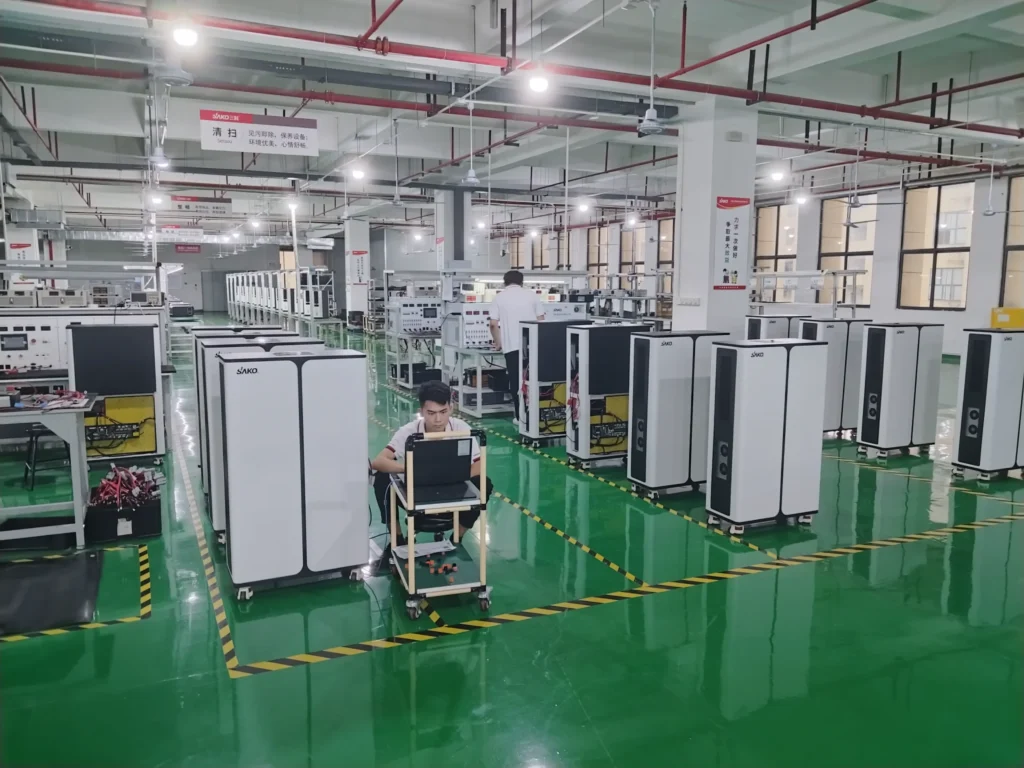
- Battery Cost (CapEx): Assumed to be $600/kWh for hardware, which is comparable to market examples like the Tesla Powerwall at approximately $622/kWh. This results in a cost of $3,000 for a 5 kWh battery.
- Shipping Cost: Estimated at approximately $70 per unit for sea freight, which is significantly lower than air freight (around $180). This analysis assumes sea freight.
- Import Duty & VAT:
- GCC: Approximately 5% duty plus 5% VAT (based on UAE rates) on the CIF value, totaling around $180.
- South Africa/Kenya: An average of $450 is used. This is based on South Africa’s model of no special duty plus 15% VAT, and considers Kenya’s higher rates of approximately 25% duty plus 16% VAT.
- Off-Grid (rural Africa): Assumed to be $450, similar to the commercial Africa model, with no exemptions applied.
- Installation: This involves both mechanical and electrical work for a 5 kWh system integrated with PV panels. The cost is assumed to be $300 in the GCC due to higher labor costs and $150 in Africa, reflecting lower labor costs, often involving informal installers.
- Operations & Maintenance (O&M): Fixed costs are considered minimal and are therefore neglected in this model.
- Electricity Tariffs (for savings):
- GCC: $0.08/kWh.
- Kenya: $0.22/kWh.
- South Africa: Estimated at $0.15/kWh.
- Off-grid baseline: Assumed to be $0.30/kWh, representing the cost of replacement for a diesel generator.
- Annual Energy Throughput: The model assumes the 5 kWh battery is cycled daily. With an estimated 250 cycles per year, the annual energy delivered is 1,250 kWh, which is calculated by multiplying 5 kWh by 250 cycles. Over a 10-year period, the total energy delivered is approximately 12,500 kWh.
The net savings are calculated based on the total energy delivered over the lifespan, adjusted for avoided electricity or fuel costs, from which the total initial costs are subtracted.
| Metric | GCC (UAE) | Kenya/ZA | Off-Grid |
|---|---|---|---|
| CapEx (Battery+Inverter) | $3,000 | $3,000 | $3,000 |
| Shipping + Import | $70 + $180 = $250 | $70 + $450 = $520 | $70 + $450 = $520 |
| Installation | $300 | $150 | $200 (rough rural) |
| Total Cost | $3,550 | $3,670 | $3,720 |
| Energy (10y) | 12,500 kWh | 12,500 kWh | 12,500 kWh |
| Effective Energy Cost | $0.28/kWh (from TCO) | $0.29/kWh | $0.30/kWh |
| Avoided Cost | 12,500 × $0.08 = $1,000 | 12,500 × $0.20 = $2,500 | 12,500 × $0.30 = $3,750 |
| Net TCO (10y) | $3,550 – $1,000 = $2,550 | $3,670 – $2,500 = $1,170 | $3,720 – $3,750 ≈ –$30 |
| Payback (years) | ~ 25 y (no payback) | ~ 5 y | ~ 10 y |
Notes: In the GCC, low electricity tariffs yield negligible savings, thus the Total Cost of Ownership (TCO) remains high and payback periods extend beyond the product’s lifespan. In Kenya and South Africa, higher tariffs result in an attractive payback period of approximately 5–6 years. For off-grid applications, replacing diesel generators can lead to a breakeven point in about 7–10 years. These simple estimates ignore financing costs. Key sensitivities include a 10% rise in shipping costs (±$25), which shifts the TCO by approximately ±$0.002/kWh, or a ±$0.05 change in the electricity tariff, which alters the payback period by ±1–2 years.
Sensitivity analysis shows that doubling shipping costs by using air freight would add around $130 (a 4% increase) to the TCO. Conversely, a VAT cut or similar incentive could reduce the TCO by about 13%. If the cost of diesel for off-grid generation rises to $0.40/kWh, the system begins to generate positive net savings.
2.6 Standards & Trust Anchors
International certification and local compliance are critical for market success. Standards like IEC 62619 and UL 1973 serve as essential benchmarks for stationary batteries. Achieving compliance, often verified through labs such as TÜV Rheinland or Intertek, is fundamental for market access. For instance, IEC 62619 certification not only ensures safety and prevents accidents but also “opens up new markets” by building trust among partners and customers.
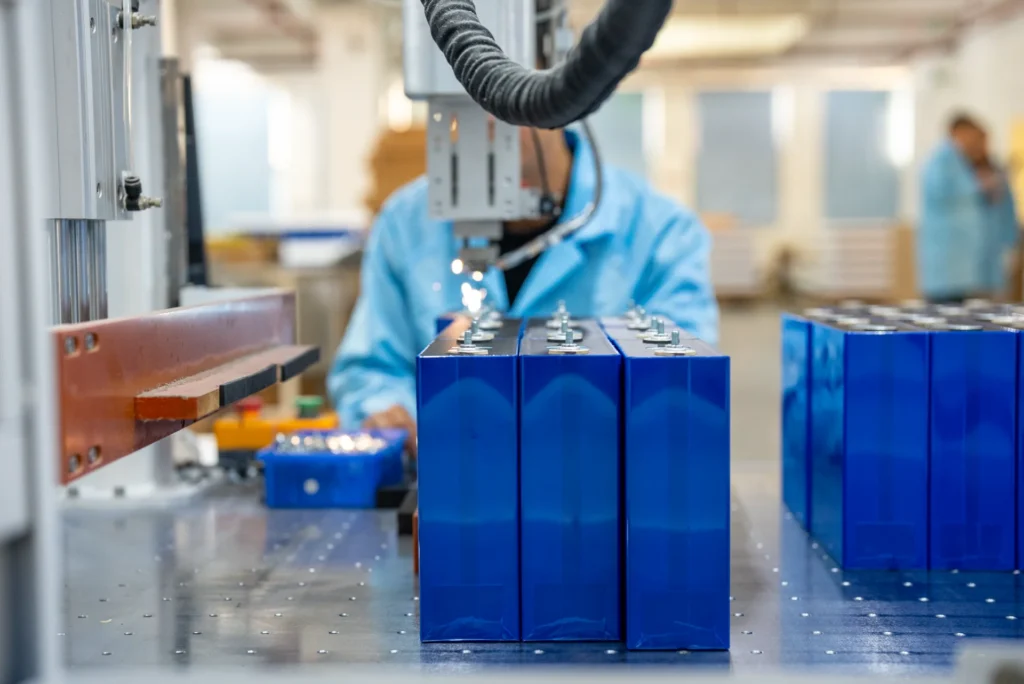
Trust anchors, such as third-party reports from entities like TÜV that validate the battery management system (BMS) and cells, provide crucial reassurance to distributors and consumers. Products that fail to meet these standards risk losing consumer confidence, and regulators may even block their importation. Local standards are equally important, including SASO in Saudi Arabia, ESMA in the UAE, and the SANS/SABS standards in South Africa, all of which establish minimum requirements. Distribution channels often demand IEC endorsement, with many master distributors refusing to carry batteries that lack a TÜV certificate or CE/UL marking. Emphasizing certified quality is a key strategy to accelerate acceptance by both installers and end-users in all regions.
Module 3: Go-to-Market Playbooks
Channel Partner Evaluation Scorecard
Use the table below to score potential partners. Rank each criterion (for example, on a scale of 1–5) for a given distributor, installer network, or financier. Higher scores indicate a better fit. Criteria may be weighted as noted to reflect strategic priorities.
| Criteria | Weight | Description | Score (1–5) | Comments |
|---|---|---|---|---|
| Market Coverage | 20% | Breadth of presence, including geographic reach and segment penetration. | (High = nationwide + multi-channel) | |
| Sales & Distribution Capability | 20% | History of distributing similar products; inventory management; route-to-market expertise. | ||
| Technical Expertise | 15% | Domain knowledge; engineering and service competence in solar/ESS; availability of training facilities. | (High = OEM-trained staff) | |
| Financial Strength | 15% | Financial health, credit lines, and the ability to finance inventory and working capital. | (High = listed company or major bank-backed) | |
| Reputation & Trust | 10% | Brand and image in the market; reliability in fulfilling commitments; existing relationships in the energy sector. | ||
| After-Sales Support | 10% | Size of the service network; efficiency in handling warranties; availability of spare parts. | ||
| Regulatory & Cultural Fit | 10% | Understanding of local rules, such as certification processes, and cultural or business norms. |
Instructions: Assign a score from 1 (poor) to 5 (excellent) for each potential partner. Multiply the score by the weight to calculate the weighted points for each criterion, then sum these to get a total “fit score.” This score can be used to compare different distributors or integrators in each target market.
Market Entry Regulatory Checklist
- Company & Legal: Form a local legal entity or establish a joint venture with a local partner in accordance with country laws. For example, some sectors in Saudi Arabia require greater than 25% Saudi ownership. Obtain any necessary import or trade licenses.
- Product Certification: Ensure compliance with IEC 62619 (or UL 1973). Obtain local conformity marks, such as the SABER certificate in Saudi Arabia, the NRCS Certificate of Conformity in South Africa, and the KEBS S-Mark in Kenya. Use accredited labs like TÜV or Intertek for testing.
- Labeling & Documentation: Prepare user manuals and product labels in local languages (e.g., English and Arabic), including clear safety and disposal instructions. Ensure all packaging includes compliance marks and UN-38.3 labels.
- Import Process: File all required documentation for customs clearance, including the commercial invoice, Certificate of Origin, UN38.3 test report, IEC certificate, and Safety Data Sheet (SDS). Coordinate with a customs broker to navigate platforms like SABER and manage tariffs under agreements like CEPA or AfCFTA. Pay all applicable duties and VAT.
- Standards & Installation Code: Ensure battery installation follows national electrical codes, such as SANS 10142 in South Africa, the NEC, or other local equivalents. Register with any required utilities, as some grids mandate meter-based solutions to comply with net-metering rules.
- After-sales Setup: Establish a local service arrangement by partnering with or training local technicians. Register warranty terms in accordance with local consumer protection laws. If applicable, plan for end-of-life recycling per environmental regulations like Extended Producer Responsibility (EPR).
- Finance Compliance: If offering leasing or loan options, secure the required financial licenses or partner with regulated banks or NGOs. For Pay-As-You-Go (PAYG) models, ensure compliance with mobile money regulations.
- Insurance & Safety: Obtain liability insurance for all installations. Comply with transportation regulations for hazardous cargo during shipping, such as IATA for air, IMDG for sea, and ADR for road transport.
Supply Chain Flowcharts
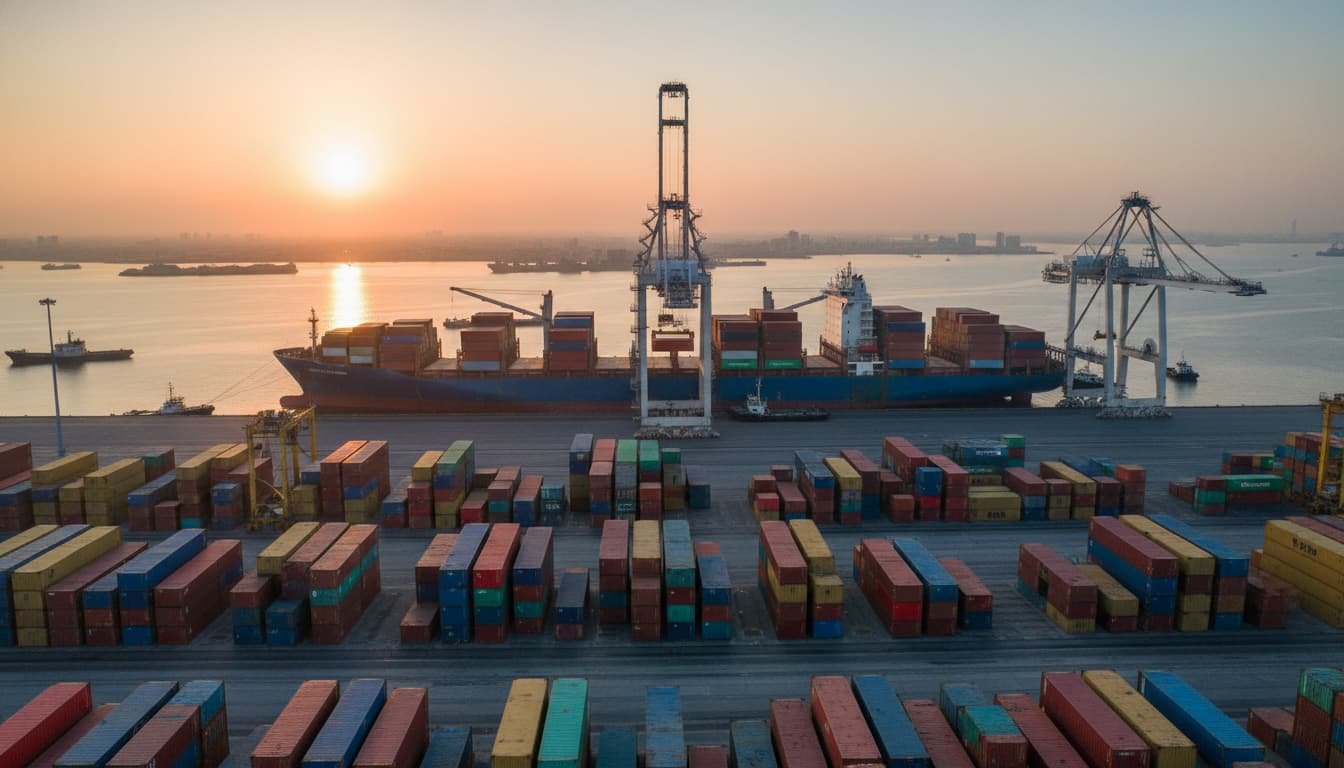
Below are illustrative end-to-end supply chains for each market archetype. They highlight the key steps involved in import clearance, distribution, and customer delivery.
GCC (High-Income) Supply Chain
The supply chain for high-income GCC markets typically follows these steps:
- Manufacturing: The process begins with the manufacturer, for example, in China.
- International Freight: Products are shipped via sea or air freight.
- Port of Entry: Goods arrive at a major regional port, such as Dubai or Jeddah.
- Customs Clearance: The shipment undergoes customs processing and clearance according to local standards like SABER or SASO.
- Master Distributor: A master distributor in the UAE or Saudi Arabia takes possession of the goods.
- Regional Warehousing: Products are moved to and stored in regional warehouses.
- Installation Partner: A licensed installation partner receives the product for final delivery.
- End Customer: The battery system is installed at the end customer’s location, such as a home, villa, or commercial facility.
- After-Sales Support: An after-sales service hotline provides a feedback loop for ongoing customer support.
Commercial Africa (Kenya, South Africa) Supply Chain
The supply chain in commercially mature African markets is characterized by the following stages:
- Manufacturing: Products originate from the manufacturer or an overseas warehouse.
- International Freight: Goods are transported via ocean freight to major ports like Mombasa or Durban.
- Import Permitting: An import permit is secured from national standards bodies, such as KEBS in Kenya or SABS in South Africa.
- Local Importer/Distributor: A local importing entity or distributor manages the shipment.
- National Warehousing: Products are stored in a national-level warehouse.
- Local Installer: The product is sold to a local solar installer.
- End Customer: The system is installed for a residential or commercial and industrial (C&I) end customer.
- Warranty and Support: Warranty claims are managed through a feedback loop, directing the customer back to the installer or importer.
Off-Grid Africa Supply Chain
The supply chain for off-grid regions in Africa is tailored to remote distribution:
- Supplier: The process starts with the manufacturer or a specialized solar supplier.
- Freight to Entry Point: Products are shipped to a port or border crossing.
- Customs Clearance: The shipment clears customs, with special attention to dangerous goods regulations.
- In-Country Partner: An NGO or a PAYG company receives the products at its local office.
- Local Agents: The products are distributed to local agents, who are often trained technicians.
- End User Site: The system is delivered and installed in a rural community or at a mini-grid site.
- Financing and Service: A feedback loop for mobile money payments and loan servicing sustains the financial model.
Each step in these processes involves clearing regulatory hurdles and paying taxes. The feedback loops represent critical after-sales or financing actions that ensure the long-term viability of the business model.
Methodology & References
This analysis was compiled using data from market reports, government and tariff publications, and various industry sources. All key data points, including tariffs, regulations, and prices, are cited.
- Standards and Regulations: The analysis references the IEC 62619 international battery safety standard. It also incorporates local requirements, including Saudi Arabia’s SASO RoHS and SABER certification, as well as South African NRCS and SABS compliance.
- Costs and TCO: Assumptions for Total Cost of Ownership are informed by publicly available battery pricing and shipping cost estimates.
- Markets: Insights into African solar channel dynamics are drawn from industry reports and media accounts.
All tables and analyses are constructed from these sources combined with reasonable market assumptions. External data is credited in-line, while internal assumptions, such as the Levelized Cost of Energy (LCOE) for batteries, are noted with their sources where available.