Executive Summary
The global energy transition is not monolithic; it varies drastically based on the maturity of existing infrastructure. This report establishes the Hybrid Inverter not merely as a component, but as the central “Energy Operating System” (EOS) for emerging markets. By closely examining Nigeria (archetype: Stock Replacement) and South Africa (archetype: Incremental Optimization), we derive a roadmap for investors and distributors. The thesis is clear: The hybrid inverter is the only technology capable of bridging the gap between total energy poverty and smart grid optimization, making it a “future-proof” asset class for Africa, the Middle East, and Southeast Asia.
Part 1: Introduction – The Hybrid Inverter as a Platform
Unlike Grid-Tied inverters (which fail when the grid fails) or traditional Off-Grid inverters (which often waste excess solar energy), the Hybrid Inverter manages the flow of energy between the solar array, the battery, the load (house/business), and the grid/generator.
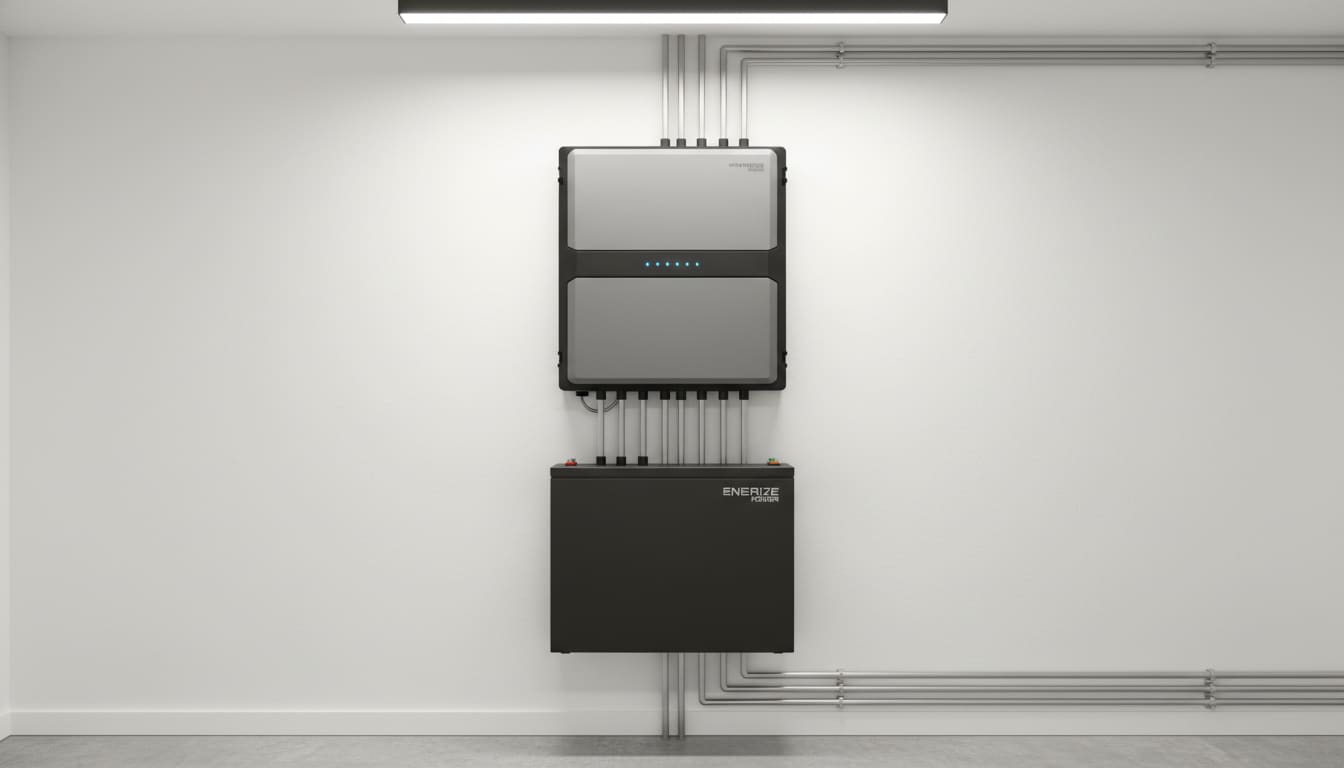
In the context of the developing world, it solves two distinct problems simultaneously:
- Access: Providing power where there is none.
- Resilience: Providing stability where the grid is volatile.
We categorize market evolution into two stages:
- Stage 1: Stock Replacement Market (e.g., Nigeria, Lebanon, Myanmar). The goal is to replace expensive, dirty fossil fuel generation.
- Stage 2: Incremental Optimization Market (e.g., South Africa, Vietnam). The goal is to manage costs and ensure continuity during grid instability.
Part 2: The “Stock Replacement” Archetype – Nigeria
Nigeria represents the largest immediate opportunity for hybrid inverters globally due to the alignment of rising diesel costs and falling lithium battery prices.
2.1 The Problem: The “Generator Economy”
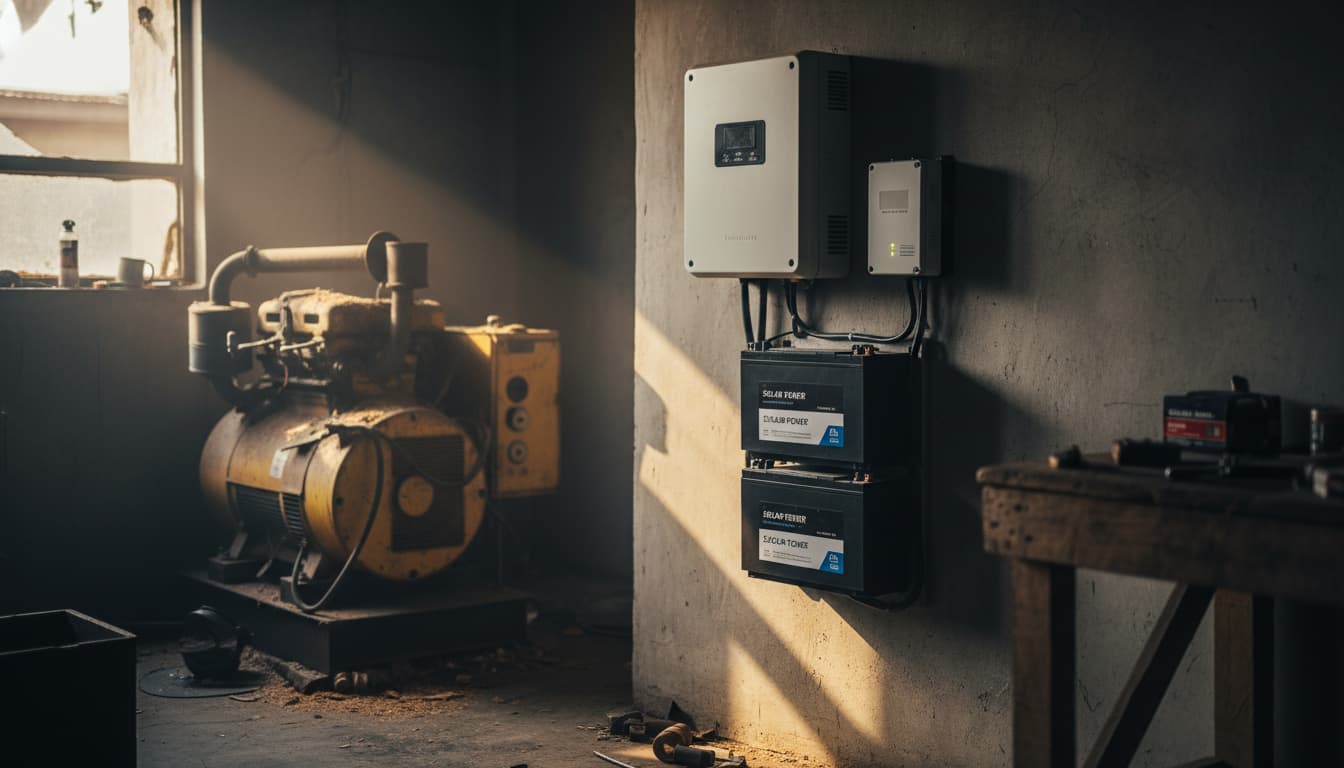
Nigeria functions on a decentralized fossil-fuel grid. The primary competitor to the hybrid inverter is not the utility grid, but the diesel/petrol generator.
2.2 Financial Modeling & ROI (The “Kill Diesel” Thesis)
This analysis assumes a typical SME (Small Medium Enterprise) in Lagos requiring 12 hours of daytime power.
- The Diesel Trap:
- Generator CapEx: Low (approximately $1,500 for 10kVA).
- OpEx (Fuel + Maintenance): Extreme. With diesel prices fluctuating between N1000-N1300 per liter, running a generator for 12 hours a day costs roughly $1,800 – $2,200 per month.
- Inflation Vulnerability: 100% exposure to fuel subsidies and currency devaluation.
- The Hybrid Solution:
- System: 10kW Hybrid Inverter, 15kWh LFP Battery, 8kW Solar Array.
- Sizing Logic: Designed to cover daytime loads via solar and evening loads via battery.
- Total CapEx: Approximately $12,000 – $15,000 (depending on brand).
- OpEx: Negligible.
- ROI Verdict:
- Payback Period: 9 to 14 months.
- IRR: Greater than 80% over 5 years.
- Strategic Note: The “Stock Replacement” market is price-sensitive on CapEx but offers the fastest ROI in the renewable energy sector globally.
2.3 Go-to-Market & Supply Chain (Chaos & Opportunity)
- Distribution Channels: Highly fragmented.
Dominated by the “Alaba International Market” model—informal, cash-heavy import networks.
- Logistics: Port congestion in Apapa/Tincan requires high inventory holding costs.
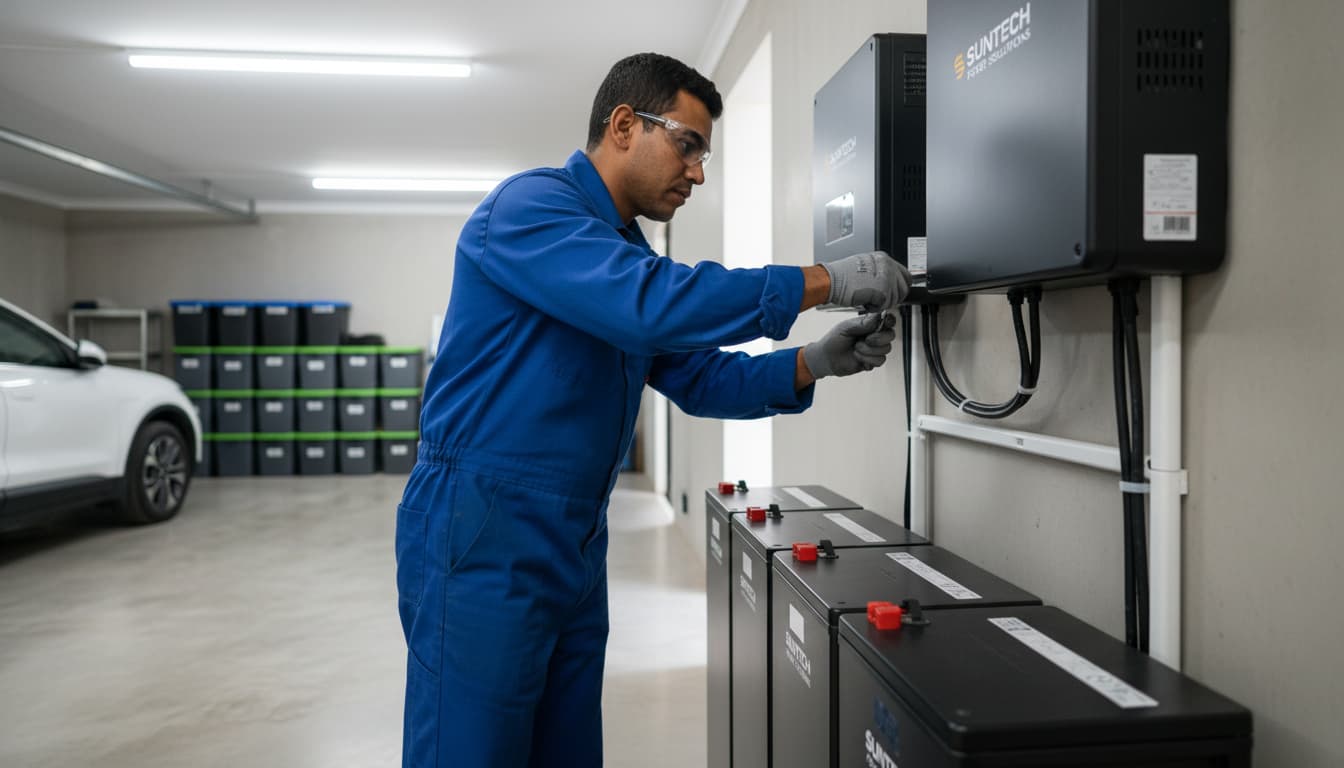
- Installation: A lack of standardized certification creates a high failure rate. Brands that invest in local training centers gain a massive competitive moat (e.g., Schneider Electric’s early approach, now being adopted by Chinese OEMs).
2.4 User Persona Scenarios
- The Lagos Shop Owner: Currently closes at 5 PM because generator noise drives away customers and fuel eats 40% of profits. Value Prop: “Silent power allows me to stay open until 9 PM, increasing revenue, while eliminating my biggest daily expense.”
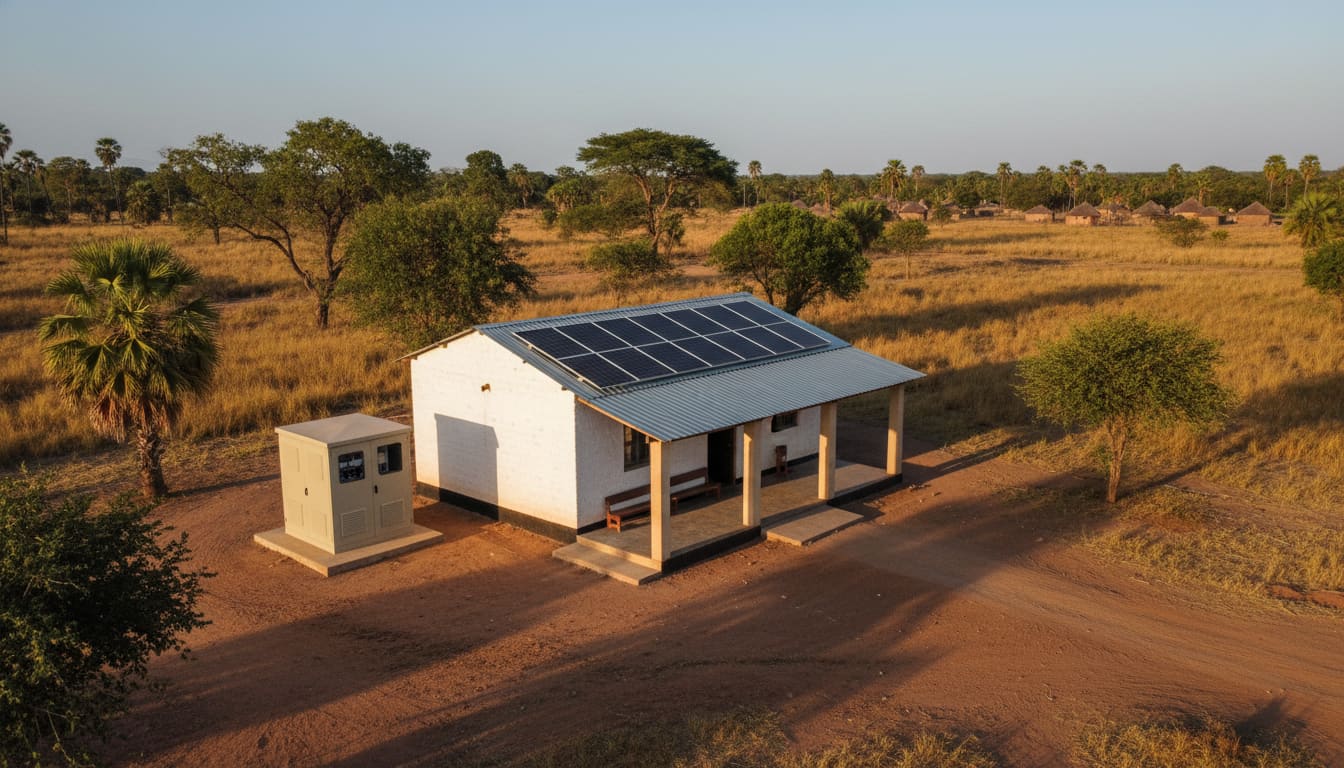
- The Rural Clinic: Currently cannot store vaccines due to lack of diesel funds. Value Prop: “Energy independence ensures the cold chain remains unbroken regardless of funding delays.”
Part 3: The “Incremental Optimization” Archetype – South Africa
South Africa represents a mature but distressed energy market. The driver here is “Load Shedding” (scheduled rolling blackouts) and rising tariff costs.
3.1 The Problem: Grid Instability
The grid exists but is unreliable. Consumers are habituated to paying for electricity but require a bridge during outages (Stages 1-6 load shedding).
3.2 Financial Modeling & ROI (The “Resilience” Thesis)
- The Cost of Darkness:
- Comparison is strictly against Grid Power + Business Interruption Costs.
- For a restaurant, 4 hours of no power equals 30% revenue loss per day plus food spoilage.
- Grid Electricity Cost: Approximately R3.50/kWh (increasing annually).
- The Hybrid Solution:
- System: 8kW Sunsynk/Deye Inverter + 10kWh Battery (Solar optional initially, but usually included).
- Value Streams:
- Peak Shaving: Using battery power during expensive “Time of Use” tariff slots.
- Continuity: Preventing revenue loss.
- ROI Verdict:
- Payback Period: 3.5 to 5 years (slower than Nigeria).
- Value Driver: If “Business Interruption” is factored in, payback drops to <12 months for commercial entities. For residential, it is an emotional purchase (lifestyle insurance).
3.3 Competitive Landscape & Regulation
- The “Battle for the Socket”:
- Sunsynk: Dominant market share. Strategy: They built a collaborative ecosystem with installers, offering excellent remote monitoring and firmwares specifically patched for South African grid codes (NRS 097-2-1).
- Deye: The OEM for Sunsynk, now selling directly. Pricing strategy is aggressive.
- Victron: The premium “old guard.” Modular, repairable, favored for complex off-grid farms, but losing ground in suburban residential due to higher complexity/cost.
- Regulation:
- NRS 097-2-1: Strict grid code compliance is mandatory. Non-compliant “dummy” inverters common in Nigeria are illegal in South Africa.
- Incentives: The Section 12B tax allowance allows businesses to deduct 125% of the cost of renewable energy assets, effectively subsidizing the CapEx by approximately 33%.
Part 4: Comparative Synthesis & Strategic Outlook
4.1 The Divergence in Go-to-Market
| Feature | Nigeria (Stock Replacement) | South Africa (Incremental Optimization) |
|---|---|---|
| Primary Driver | Cost Savings (OpEx reduction) | Resilience (Lifestyle/Business continuity) |
| Product Tier | Value/Rugged (Must handle dirty power) | Smart/Integrated (Must handle grid feedback) |
| Avg. System Size | Large Battery / Small Solar (Nighttime use) | Balanced Battery / Large Solar (Daytime offset) |
| Channel | Importer -> Wholesaler -> Market | Importer -> National Distributor -> Installer |
| Installer Base | Low skill / Informal | Medium-High skill / PV GreenCard certified |
4.2 Regulatory Risk Analysis
- Nigeria: High Policy Volatility.
The removal of the fuel subsidy in 2023 was the single biggest catalyst for the hybrid market. However, sudden changes in import duties (Customs HS Codes) for batteries can wipe out distributor margins overnight.
- South Africa: Medium Policy Stability. Regulations are clear, but utility providers (Eskom/Municipalities) are increasingly hostile to revenue loss, leading to potential future monthly fixed charges for solar users.
4.3 Future-Proofing
The Hybrid Inverter is “future-proof” because it serves both markets. As Nigeria’s grid eventually improves (moving to Stage 2), the same hardware installed today can be reprogrammed from “Off-Grid Mode” to “Hybrid/Blending Mode.” Conversely, as South Africa’s grid potentially stabilizes, the financing model shifts purely to Energy Arbitrage (buying cheap grid power/selling solar).
Part 5: Conclusion & Investment Thesis
For investors and developers looking at Africa, the Middle East (e.g., Lebanon, Yemen), and SE Asia (e.g., Vietnam, Philippines), the strategy is twofold:
- Investment: Capitalize on Stage 1 markets (Nigeria) immediately. The ROI is purely financial and driven by diesel displacement. High risk, extreme returns. Focus on working capital financing for hardware imports.
- Consolidation: Build long-term positions in Stage 2 markets (South Africa). Margins are tighter, but the ecosystem is stickier. Focus on software, Virtual Power Plants (VPPs), and installer training academies.
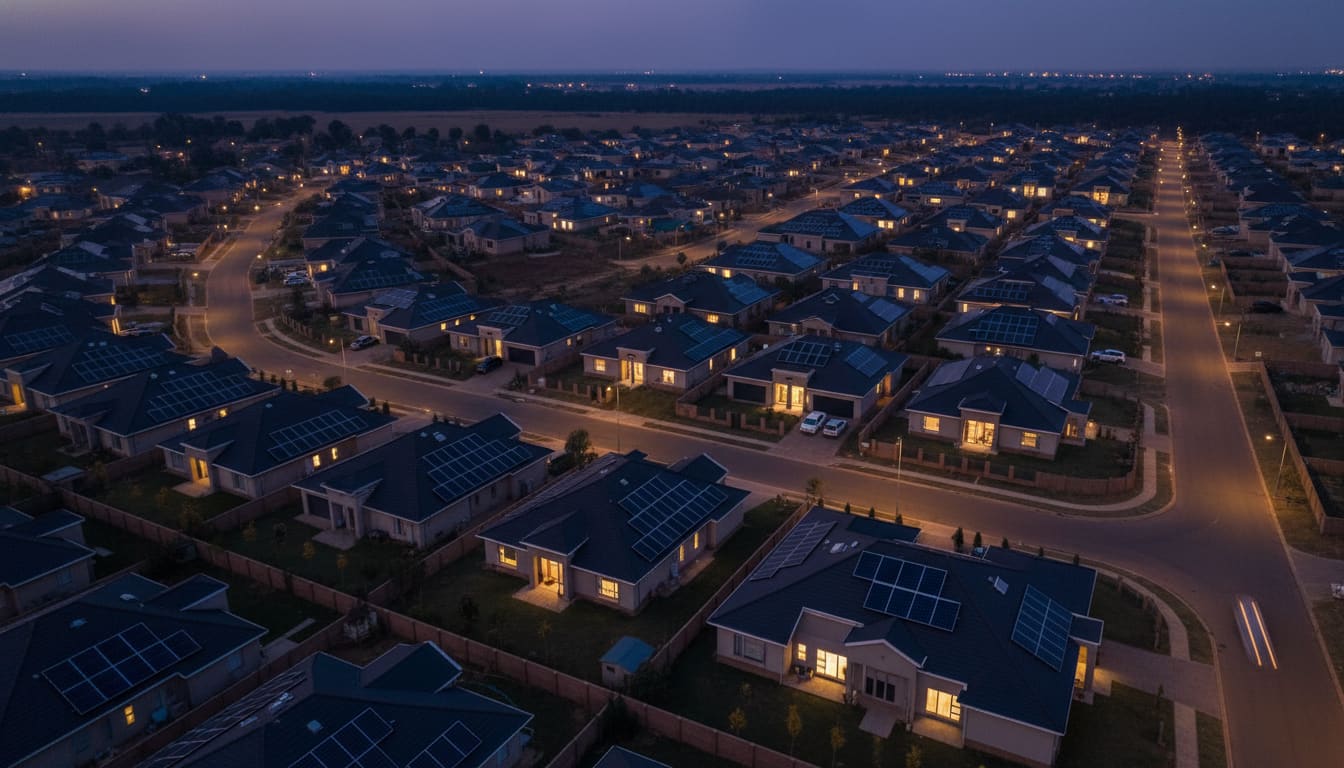
Final Recommendation:
Do not view the Hybrid Inverter as a commodity appliance. It is the gateway mechanism. Whoever controls the inverter controls the data, power flow, and future VPP capability of the African home and business. The winner in this market will not just be the one with the cheapest hardware, but the one with the strongest local technical support and supply chain agility.